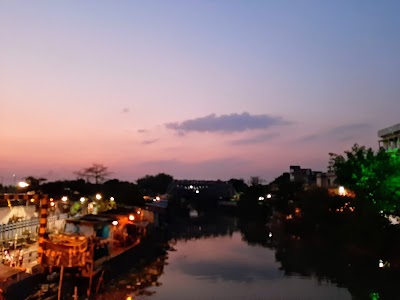
Spiritual Hub – Dakshindari is a significant spiritual and cultural area in Kolkata, primarily known as the home of the iconic Dakshineswar Kali Temple . This complex is a revered Hindu pilgrimage site, drawing devotees and visitors from across the globe. It stands majestically on the eastern bank of the Hooghly River, a distributary of the Ganges.
Spiritual or cultural significance
Devotional Heritage – This area holds immense religious importance, especially due to the Dakshineswar Kali Temple , which is dedicated to Bhavatarini, a form of Goddess Kali. The temple was founded by Rani Rashmoni in the mid-19th century and is famously associated with the spiritual practices of Sri Ramakrishna Paramahamsa. It is considered a sacred place for spiritual enlightenment and devotion.
Why people come here
Pilgrimage & Peace – People typically visit Dakshindari to offer prayers and seek blessings at the temple, experience its profound spiritual ambiance, and admire the unique Navaratna-style architecture. Many come for quiet contemplation, to witness the daily rituals, or simply to feel a connection to this historically rich religious site.
What to expect
Vibrant Atmosphere – I expect you’ll find a bustling yet deeply spiritual atmosphere here. The temple complex is often crowded, especially during festivals and auspicious days, with devotees performing pujas and rituals. You can anticipate intricate temple architecture, various shrines dedicated to other deities, and serene views of the Ganges River.
Visitor etiquette
Respectful Conduct – When visiting, I recommend dressing modestly, covering your shoulders and knees, and removing your shoes before entering the main temple premises. Photography is generally restricted inside the inner sanctum. Maintaining a respectful silence in prayer areas and being mindful of the devotional practices of others is appreciated.
Best time to go
Cooler Months – The most comfortable time to visit Dakshindari is generally during the cooler months, from October to March, when the weather is pleasant. Early mornings or late afternoons are ideal to avoid the midday heat and experience the temple rituals or evening aarti (prayer ceremony).
Practical info
Accessibility & Duration – The area is well-connected by local transport, including buses, auto-rickshaws, and ferries. I suggest allocating at least 1-2 hours to explore the main temple complex and its surrounding shrines. There are typically designated areas for shoe storage and facilities for devotees.
Good to know
River Views – Beyond the temple, you can enjoy the serene beauty of the Ganges River from the temple ghats. Boat rides are often available nearby, offering a different perspective of the temple and its surroundings. It’s a place where spiritual devotion meets natural beauty.