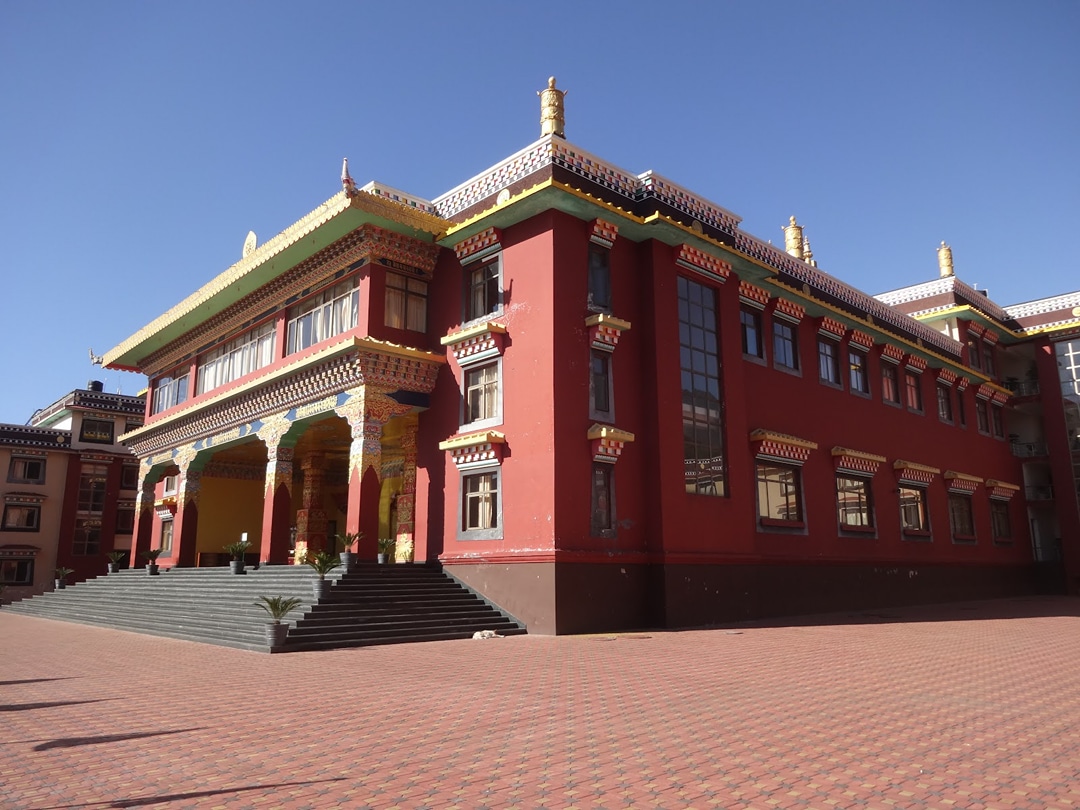
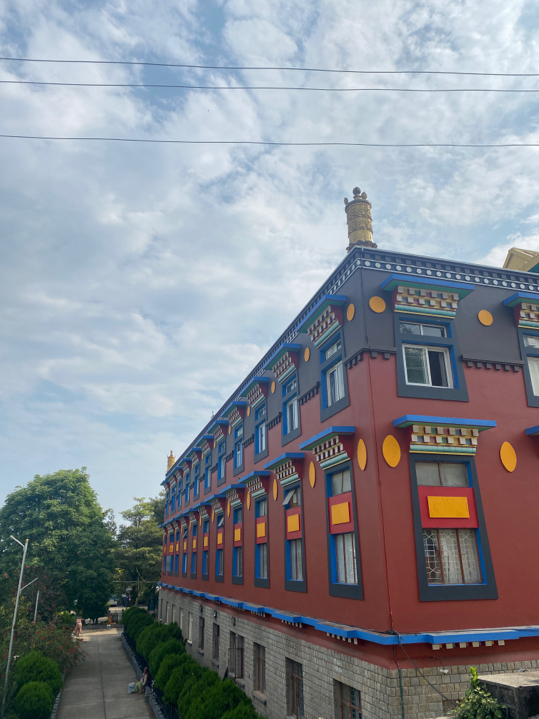
Buddhist Monastery – This is a prominent Tibetan Buddhist monastery and educational institution located in the Kangra Valley of Himachal Pradesh, India. It serves as the main seat of the Kenting Tai Situpa, a high lama in the Karma Kagyu lineage.
What is this place?
Spiritual Center – I see this as a significant center for the preservation and study of Tibetan Buddhist traditions. It's not just a monastery but also a monastic college, retreat center, and a place for the production of sacred art and texts.
Why people come here
Spiritual Seeking – People typically visit here for spiritual learning, meditation, attending teachings, or simply to experience the serene and devout atmosphere. Many come to witness the daily rituals and gain insights into Tibetan Buddhist culture.
What to expect
Peaceful Serenity – You can expect a very peaceful and disciplined environment. The monastery grounds are extensive, featuring beautiful temple buildings, stupas, and monastic residences. It's generally quiet, with the sounds of chanting and bells often heard. It suits those looking for a contemplative experience.
Spiritual or cultural significance
Kagyu Lineage – This monastery holds immense spiritual importance as the main seat of the 12th Kenting Tai Situpa, a revered figure in the Karma Kagyu school of Tibetan Buddhism. It is dedicated to maintaining and transmitting the teachings of this lineage, making it a vital cultural and religious hub.
Visitor etiquette
Respectful Conduct – When visiting, I recommend dressing modestly, covering shoulders and knees. Photography may be restricted in certain areas, especially inside prayer halls, so it's best to observe signs or ask. Maintaining silence and showing respect during prayers and rituals is highly appreciated.
Practical info
Timings Vary – The monastery generally welcomes visitors during daylight hours, but specific timings for temple access or teachings can vary. It's wise to plan for a few hours to explore the main areas. Parking is usually available on-site.
Good to know
Sacred Art – The monastery is known for its intricate Tibetan art, including thangkas and statues, which are created and preserved by resident artists. There's often a shop where you can find books, incense, and other religious artifacts.