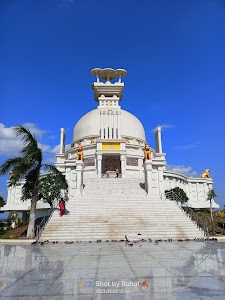
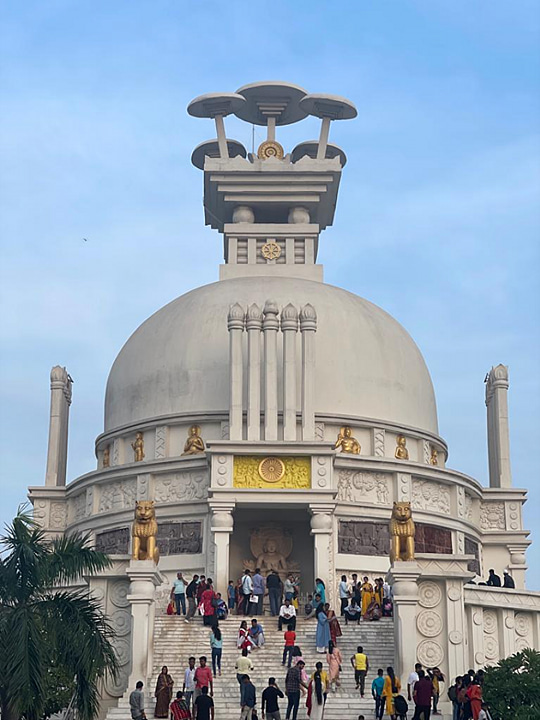
Peace Pagoda – This is a prominent Buddhist monument, also known as the Peace Pagoda, located on the Dhauli Hills. It stands as a symbol of peace and non-violence, built on the historic battlefield where Emperor Ashoka renounced warfare.
Why people come here
Reflection and Views – Many visitors come here to experience a sense of tranquility and spiritual reflection. It's also a popular spot for its panoramic views of the surrounding landscape, including the Daya River and the city of Bhubaneswar .
What to expect
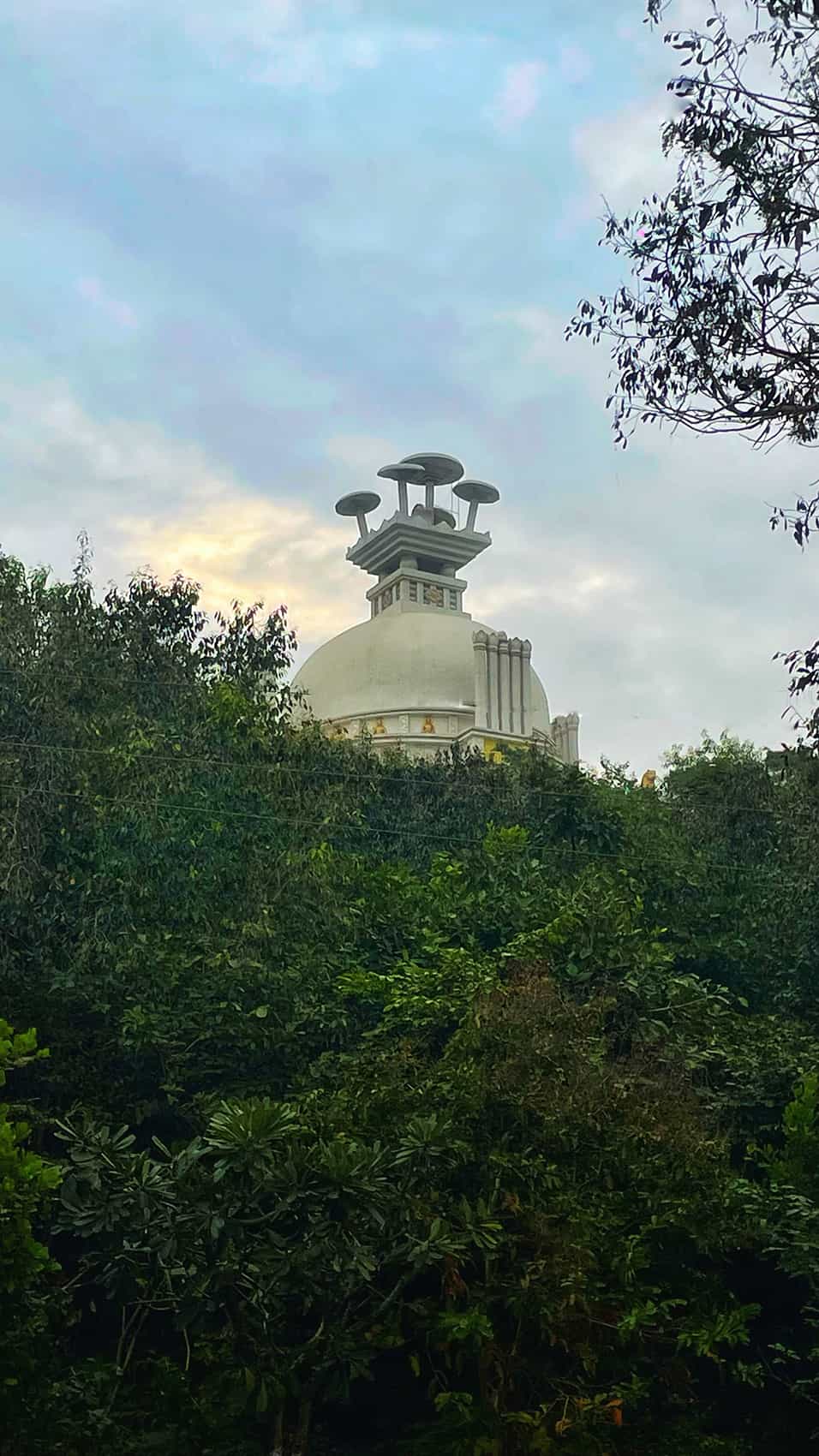
Serene Atmosphere – You can expect a serene and contemplative atmosphere. The Stupa itself is a large, white dome structure, often surrounded by lush greenery, offering a peaceful retreat from the city bustle. The climb to the top offers refreshing breezes.
Spiritual and Historical Significance
Kalinga War's Aftermath – This Stupa holds immense spiritual and historical importance. It marks the site of the devastating Kalinga War, which deeply impacted Emperor Ashoka and led to his conversion to Buddhism and his propagation of peace. It was built in the 1970s by the Japan Buddha Sangha in collaboration with the Kalinga Nippon Buddha Sangha.
Key highlights
White Dome Structure – The striking white dome of the Stupa itself, adorned with statues of Buddha and his teachings.
Ashokan Rock Edicts – Near the Stupa, you can find ancient rock edicts of Emperor Ashoka, which are among the earliest forms of written documents in India, promoting peace and dharma.
Panoramic Views – The elevated position offers breathtaking views of the Daya River winding through the plains, a sight that evokes the historical significance of the location.
Visitor Etiquette & Practical Info
Respectful Conduct – As a religious site, it's important to maintain silence and respect the peaceful environment.
Dress Code – I recommend dressing modestly, covering shoulders and knees.
Footwear – You might need to remove your shoes before entering certain areas of the Stupa.
Timings – The Stupa is generally open from sunrise to sunset, but specific timings can vary. It's best to check locally.
Accessibility – The Stupa is located atop a hill, requiring some uphill walking or climbing stairs.
Good to know
Best Photo Opportunities – The early morning or late afternoon hours are ideal for photography, offering softer light and often fewer crowds. The sunset views from the Stupa are particularly captivating.