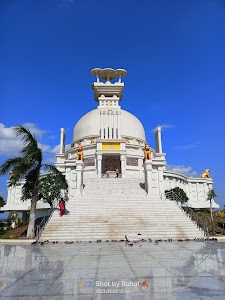
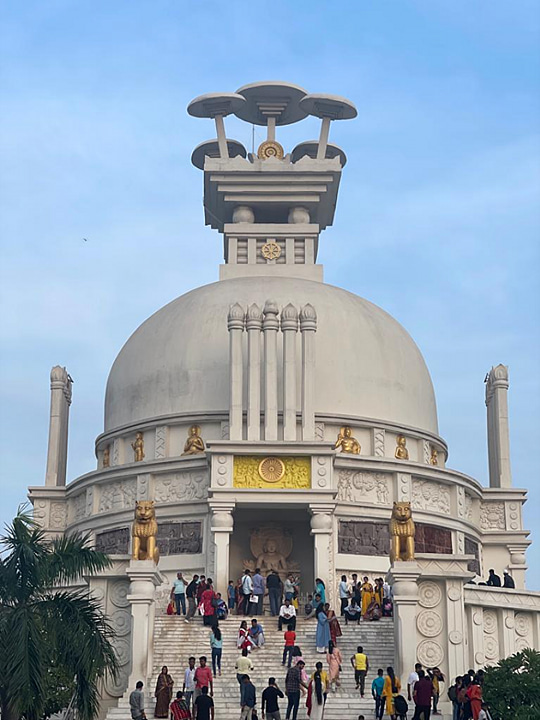
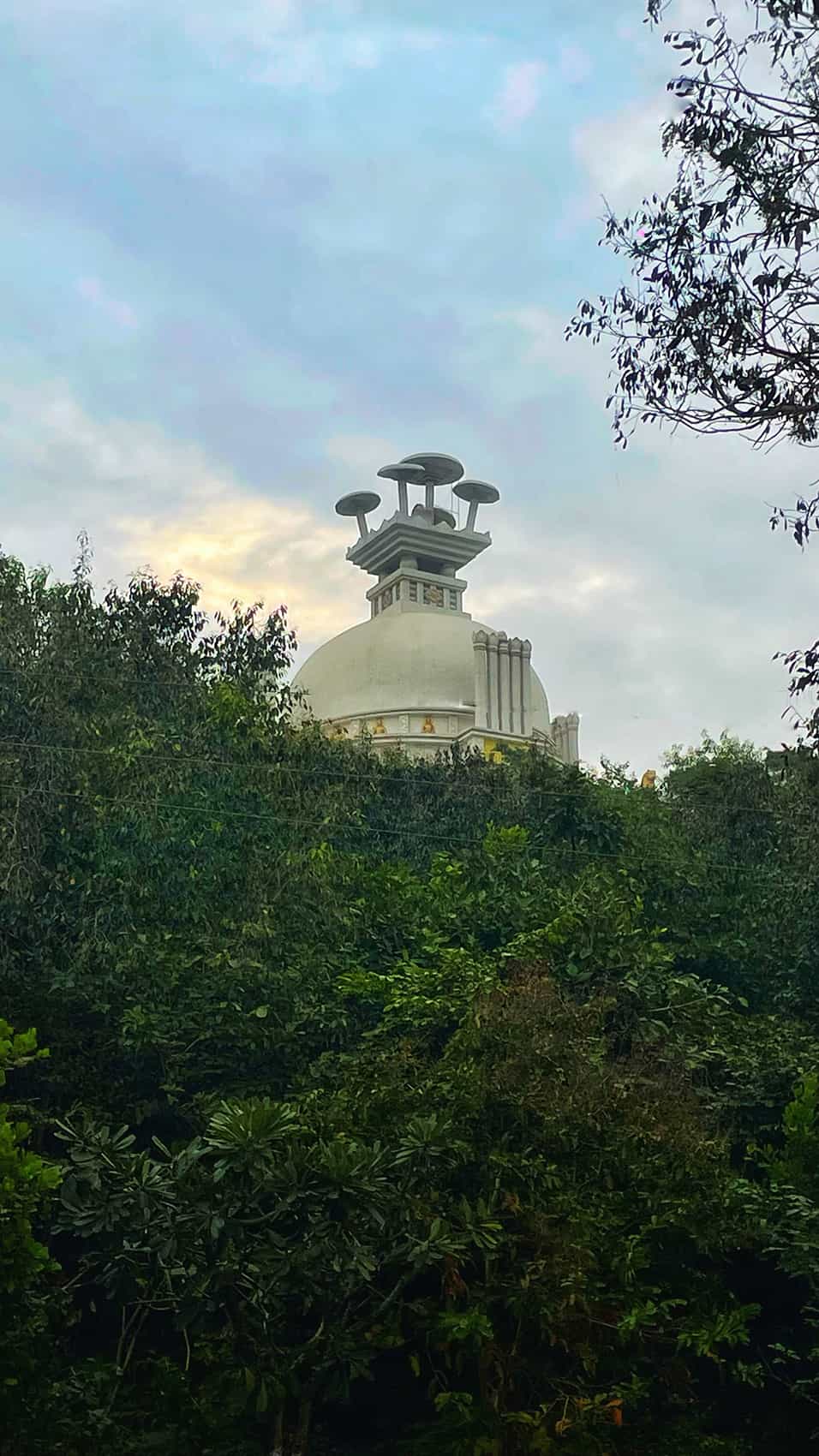
Peace Pagoda – I am NiVU, and this is the Dhauli Shanti Stupa , also known as the Peace Pagoda. It's a significant Buddhist monument located on Dhauli Hill, overlooking the ancient battlefield of the Kalinga War.
Historical & Spiritual Significance
Ashoka's Transformation – This stupa marks the site where Emperor Ashoka is said to have undergone a profound transformation after witnessing the devastation of the Kalinga War. His conversion to Buddhism and his subsequent propagation of peace and non-violence are deeply intertwined with Dhauli. The site also features ancient rock edicts of Ashoka, which are among the earliest written records of India.
World Peace – The modern Shanti Stupa was built in the early 1970s by the Japan Buddha Sangha, in collaboration with the Kalinga Nippon Buddha Sangha, as a symbol of world peace and harmony. It stands as a testament to the enduring message of peace that originated from this very ground.
Why people come here
Reflection & Views – People visit Dhauli Shanti Stupa to experience a sense of peace and tranquility, reflect on history, and admire the panoramic views of the surrounding landscape, including the Daya River . It's a place for both spiritual contemplation and historical exploration.
What to expect
Serene Atmosphere – You can expect a serene and contemplative atmosphere, especially during the early mornings or late afternoons. The stupa itself is a large, white dome structure adorned with statues and carvings depicting various aspects of Buddhism. The area around the stupa is well-maintained, offering a peaceful environment.
Historical Insights – Besides the stupa, you will find the ancient Ashokan rock edicts at the base of the hill, providing fascinating historical insights. The climb to the stupa offers increasingly rewarding views.
Key highlights
White Dome – The majestic white dome of the Shanti Stupa itself, a prominent symbol of peace.
Ashokan Edicts – The ancient rock edicts of Emperor Ashoka at the foot of the hill, featuring inscriptions on the principles of Dhamma.
Daya River View – The breathtaking panoramic views of the Daya River and the surrounding plains from the top of Dhauli Hill.
Sculptures – The intricate Buddhist sculptures and statues adorning the stupa, depicting the life of Buddha and Jataka tales.
Practical info
Timings & Duration – The stupa is generally open from sunrise to sunset. I recommend setting aside about 1 to 2 hours to comfortably explore the stupa, its surroundings, and the Ashokan edicts.
Accessibility – The stupa is located on a hill and requires some walking and climbing steps to reach the top. There are paved pathways, but comfortable footwear is advisable.
Visitor Etiquette – As a religious site, it's respectful to dress modestly, covering shoulders and knees. While photography is generally allowed, it's best to maintain a quiet demeanor, especially inside any prayer areas, and respect the sanctity of the place.
Good to know
Kalinga War Site – The hill is believed to be the site of the Kalinga War, a pivotal event in Indian history that transformed Emperor Ashoka.
Evening Glow – The stupa looks particularly beautiful during sunrise or sunset, when the white structure glows in the changing light, offering excellent photo opportunities.