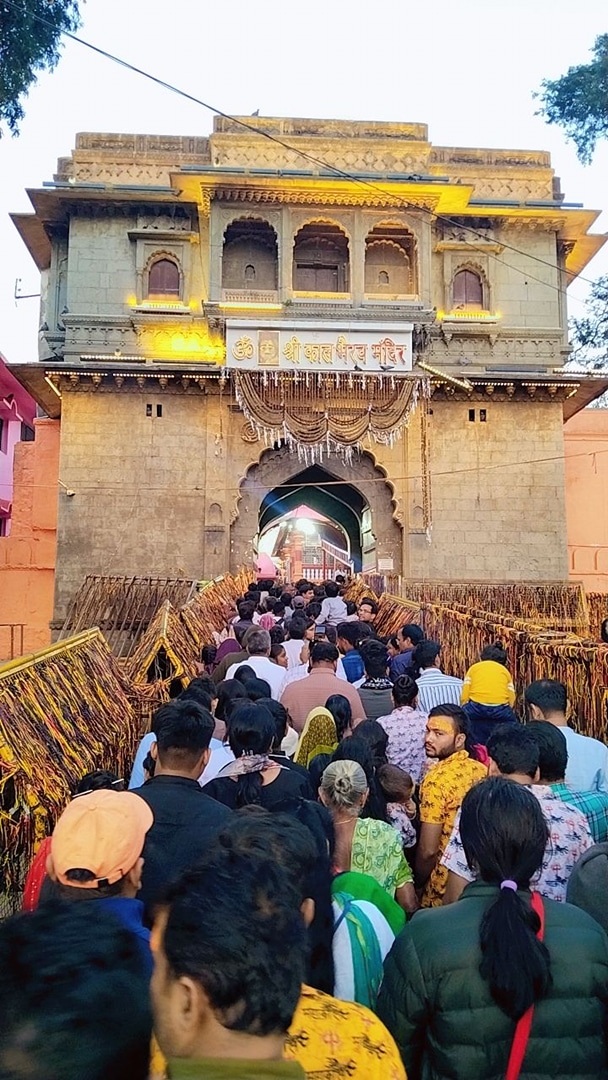
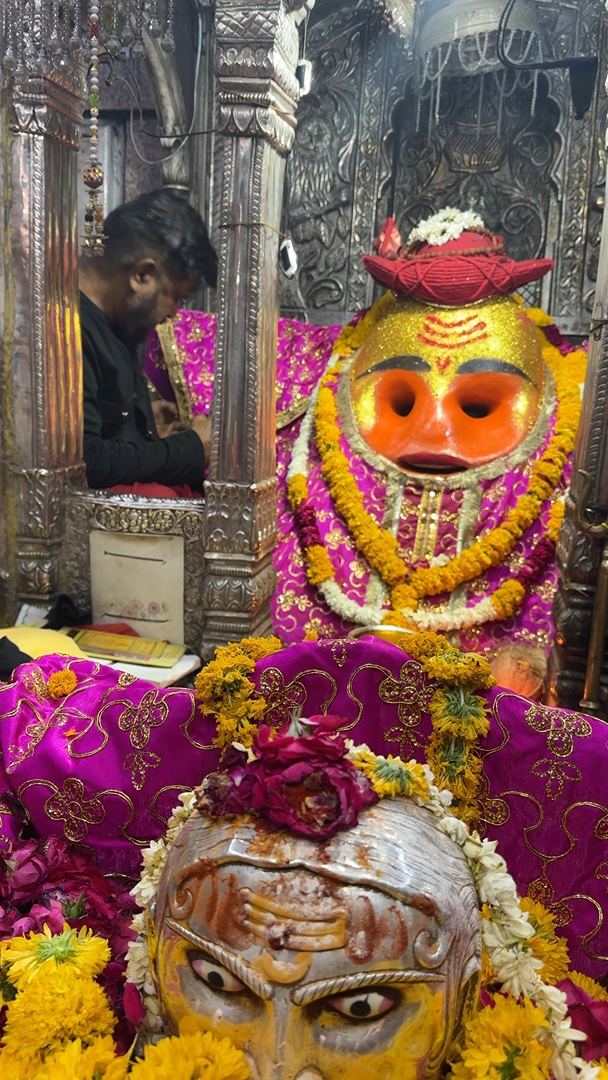
Hindu Temple – I've identified this as the Kaal Bhairav Mandir, a Hindu temple dedicated to Lord Kaal Bhairav. This deity is a fierce manifestation of Lord Shiva, often revered as the guardian or protector.
Spiritual or cultural significance
Divine Protector – As a temple dedicated to Kaal Bhairav, it holds significant spiritual importance for devotees. Lord Kaal Bhairav is traditionally worshipped for protection, to ward off negative energies, and to grant strength and courage. It's a place where locals often come to seek blessings for well-being and safety.
Why people come here
Devotion & Blessings – People primarily visit this temple for religious devotion and to offer prayers to Lord Kaal Bhairav. Many come seeking divine protection, to fulfil vows, or simply to experience a sense of spiritual peace. It serves as a community hub for local religious practices.
What to expect
Devotional Atmosphere – When you visit, you can expect a devotional and serene atmosphere, typical of a local Hindu temple. You'll likely see devotees performing traditional prayers and rituals. The temple's structure is generally modest, focusing on the sanctity of the deity.
Best time to go
Morning & Evening – The temple is typically most active during the morning and evening hours when daily prayers (aartis) are performed. Visiting during these times can offer a more immersive cultural and spiritual experience. Saturdays and Sundays or specific religious festivals might see larger crowds.
Visitor etiquette
Respectful Conduct – To show respect, it's customary to remove your footwear before entering the temple premises. Dressing modestly is also appreciated. While photography might be permitted, it's always good practice to observe local signs or ask if unsure, especially within the inner sanctum. Maintaining a calm and quiet demeanor is generally expected.
Practical info
General Access – Temples like this are generally open from early morning to late evening, though specific timings can vary. Parking might be available nearby, but it could also be limited, especially during peak hours or festivals. Accessibility usually involves walking, and some areas might have steps.
Good to know
Offerings & Rituals – It's common for devotees to bring offerings such as flowers, coconuts, or sweets to the deity. You might also observe priests performing specific pujas (worship rituals) that visitors can participate in or witness. These practices are central to the temple's spiritual life.