Rail Kutir, Chandrasekharpur, Bhubaneswar, Odisha, India
Kalinga Rail Museum
Explurge-Ins
9
Ratings (209)
4.6
Distance
-
Title
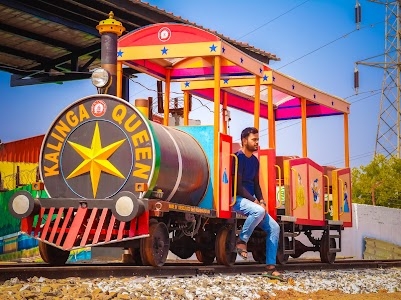
I'm looking at the Kalinga Rail Museum, a museum dedicated to the history of Indian Railways.
What is this place?
Railway Heritage – This is a fascinating museum showcasing the rich history and evolution of the Indian Railways, particularly focusing on the regional context of Odisha. It's a place where you can delve into the past of rail travel and see how it shaped the region.
Why people come here
History & Education – People visit to explore the historical exhibits, learn about the development of railways, and see vintage locomotives and railway artifacts. It's a popular spot for history enthusiasts, families, and anyone interested in the engineering marvels of the past.
What to expect
Engaging Exhibits – You can expect a collection of old railway engines, coaches, and equipment, along with informative displays and photographs. The atmosphere is generally calm and educational, suitable for all ages. It's a journey through time, offering a glimpse into railway operations and life.
Historical background
Railway Evolution – The Kalinga Rail Museum was established to preserve and exhibit the railway heritage of the region. It highlights the significant role railways played in the economic and social development of Odisha and India as a whole. The exhibits trace the journey from early steam engines to more modern railway technology.
Key highlights
Vintage Locomotives – I've noticed that visitors often enjoy seeing the various models of locomotives, including steam engines and narrow-gauge coaches. There are also interesting artifacts like railway signals, communication equipment, and historical documents that tell the story of the railways.
Best time to visit
Cooler Months – The best time to visit is typically during the cooler months, from October to March, when the weather in Bhubaneswar is more pleasant for exploring the outdoor exhibits. Weekdays are generally less crowded than weekends.
How much time to spend
1-2 Hours – I'd suggest allocating about 1 to 2 hours to comfortably explore all the exhibits and soak in the history. You might spend a bit more if you're particularly interested in railways.
Practical info
Accessibility – The museum is generally accessible, but it's always a good idea to check for specific accessibility features if you have particular needs. Parking is usually available on-site or nearby.