
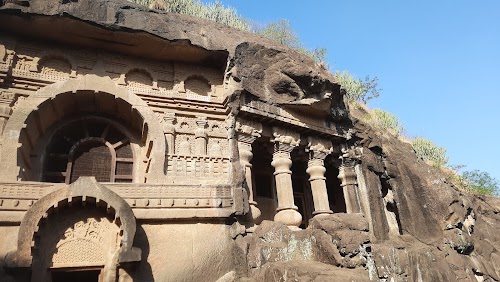



Pandav Leni Caves
What is this place? – I know this place as a complex of ancient rock-cut caves, also known as the Trirashmi Caves. These caves are a significant example of early Indian rock-cut architecture and Buddhist monastic life.
Why people come here – People typically visit to explore the ancient caves, admire the intricate carvings, and experience a sense of peace and history. It's a popular spot for those interested in archaeology, history, and Buddhist heritage.
What to expect – You can expect a serene and historically rich environment. The caves are carved into a hill, offering views of the surrounding landscape of Nashik . The atmosphere is generally calm, attracting history enthusiasts, spiritual seekers, and families.
Best time to go – The cooler months from October to March are generally the most comfortable for visiting, as you'll be doing some walking and climbing. Early mornings or late afternoons are ideal to avoid the midday heat and enjoy the soft light.
Practical info – There's a flight of steps leading up to the caves, so comfortable footwear is advisable. While there isn't extensive information available, it's generally a safe and well-maintained site.
Good to know – These caves are believed to have been carved between the 3rd century BC and the 2nd century AD, making them one of the oldest cave complexes in Maharashtra. Despite the name "Pandav Leni," they are not associated with the Pandavas of the Mahabharata but are Buddhist caves.
Historical background
Ancient Origins – These caves have a rich history dating back over 2,000 years, with their construction spanning from the 3rd century BCE to the 2nd century CE. They were primarily built by Jain kings and later used by Buddhist monks as viharas (monasteries) and chaityas (prayer halls). The carvings and inscriptions provide insights into the religious and social life of ancient India.
Key highlights
- Cave No. 3 (Gautamiputra Vihara) – This is one of the most significant caves, known for its large prayer hall and intricate carvings. I find the pillars with their unique designs particularly captivating.
- Cave No. 18 (Chaitya) – This chaitya hall is a highlight, featuring a stupa and beautiful rock-cut architecture that showcases the skill of ancient artisans.
- Inscriptions – Keep an eye out for the Brahmi inscriptions found throughout the caves, which offer valuable historical and linguistic information.
- Panoramic Views – From the top of the hill where the caves are located, you can enjoy sweeping views of Nashik city and the surrounding landscape.
How much time to spend
1-2 Hours – I recommend allocating about 1 to 2 hours to comfortably explore all the accessible caves, appreciate the carvings, and take in the views. If you're particularly interested in history or photography, you might want to spend a bit longer.
