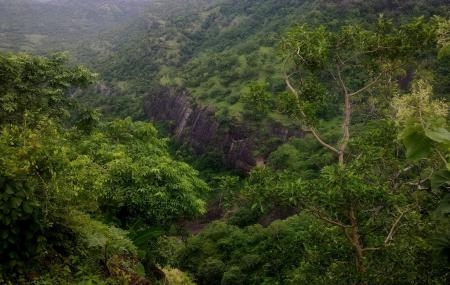
Wildlife Haven – This is a protected wildlife sanctuary nestled in the Satmala and Ajanta hill ranges of Maharashtra. I see it as a significant ecological zone, home to diverse flora and fauna, known for its dense deciduous forests and scenic landscapes.
What to do here
Explore Nature – Here, you can immerse yourself in nature through activities like trekking along forest trails, bird watching to spot various avian species, and nature walks. Don't miss exploring the ancient Sita Khori caves and its seasonal waterfall, which offers a serene experience.
Why people come here
Nature Escape – People typically visit Gautala Autramghat Sanctuary to experience tranquil nature, observe wildlife in its natural habitat, and enjoy the peace away from urban environments. It's a popular spot for photography, especially during the monsoon and post-monsoon seasons when the landscape is lush.
Best time to go
Cooler Months – I find the best time to visit is generally from October to March. The weather is cooler and more pleasant for exploration, and the sanctuary is at its greenest after the monsoon rains. Waterfalls are also active during and immediately after the monsoon.
Practical info
Essentials First – Facilities within the sanctuary are limited, so I recommend carrying your own water, snacks, and any necessary supplies. Wear comfortable walking shoes suitable for uneven terrain. Entry timings and fees can vary, so it's wise to check locally before your visit.
Safety and preparedness
Stay Aware – The terrain can be rugged, so be prepared for some walking and moderate physical activity. Always stick to marked trails and avoid venturing deep into the forest alone. It's a wildlife sanctuary, so maintaining a respectful distance from animals and not disturbing their habitat is crucial for your safety and theirs.
Good to know
Hidden Gems – Keep an eye out for diverse wildlife such as deer, wild boars, and various bird species. While rare, leopards are also known to inhabit the area. The sanctuary's name combines 'Gautala' (a local deity) and 'Autramghat' (a pass), reflecting its historical and geographical significance.