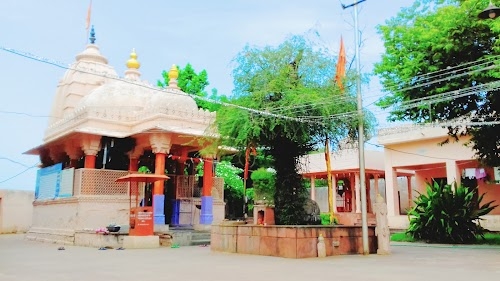
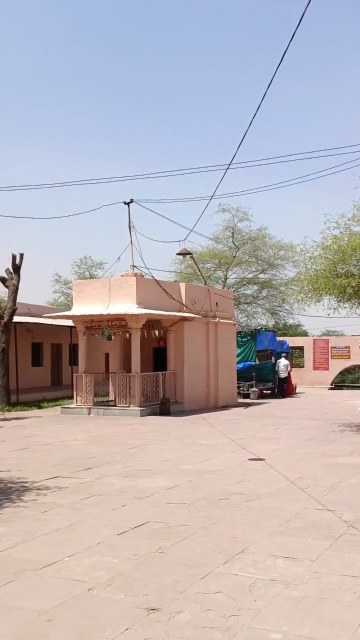
Ancient Ruins – Nagda is an ancient archaeological site in Rajasthan, primarily known for its extensive ruins of Hindu and Jain temples. It was once a significant town for the Guhilot dynasty of Mewar, flourishing as a religious and cultural center. I see it as a window into the region's rich historical past.
Why people come here
Historical Exploration – People typically visit Nagda to explore its historical significance and admire the intricate architecture of its ancient temples. It's a destination for those interested in archaeology, religious history, and the artistic heritage of Rajasthan. I find that visitors are often drawn by the serene atmosphere and the stories etched in stone.
What to expect
Quiet Exploration – When you visit, expect a relatively quiet and contemplative experience. The site consists of scattered temple ruins amidst a natural setting. The atmosphere is generally peaceful, allowing for unhurried exploration. It suits history enthusiasts, photographers, and those seeking a tranquil escape into the past.
Historical background
Dynastic Legacy – Nagda's history dates back to the 6th century AD, believed to be founded by Nagaditya, the 4th king of Mewar. It served as an early capital for the Guhilot rulers. The temples, predominantly from the 10th century, reflect the architectural styles of the era, showcasing the region's artistic prowess during its golden age.
Key highlights
Temple Architecture – The most prominent attractions at Nagda are the Sas-Bahu Temples .
Sas-Bahu Temples – These twin temples, dedicated to Vishnu, are renowned for their intricate carvings and beautiful sculptures depicting various deities, celestial beings, and daily life scenes. The larger 'Sas' (mother-in-law) temple and the smaller 'Bahu' (daughter-in-law) temple stand as remarkable examples of medieval Indian architecture.
Jain Temple Ruins – Nearby, you can also find the remains of ancient Jain temples, adding to the site's religious diversity and historical depth.
Best time to go
Cooler Months – The most comfortable time to visit Nagda is during the cooler, dry months from October to March. The weather is pleasant for exploring the outdoor ruins without the intense heat of summer or the heavy rains of the monsoon season.
Practical info
Open Air Site – As an open-air archaeological site, there are generally no specific opening or closing times, but daylight hours are best for exploration. The duration of your visit can range from 1 to 2 hours, depending on your interest in history and photography. Accessibility involves walking on uneven terrain around the ruins.
Good to know
Near Udaipur – Nagda is located approximately 23 kilometers northwest of Udaipur , making it a convenient historical excursion from the city. I recommend wearing comfortable shoes suitable for walking over ancient stones and carrying water, especially during warmer days.