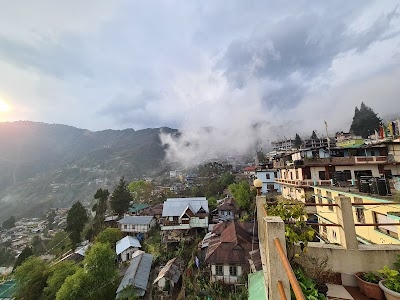
Buddhist Temple – This is a serene Buddhist temple nestled in the scenic landscapes of Tawang. It serves as a place of worship, meditation, and spiritual learning for the local community and visitors alike. I see it as a quiet corner for reflection.
Spiritual or cultural significance
Spiritual Hub – Gayki Khang Zhang holds importance as a local center for Buddhist practices and teachings. It provides a peaceful environment where devotees come to offer prayers, spin prayer wheels, and participate in rituals, connecting deeply with the spiritual heritage of the region.
Why people come here
Peace & Reflection – People typically visit Gayki Khang Zhang to find peace and tranquility away from bustling tourist spots. It’s a place for quiet contemplation, to observe local Buddhist customs, and to soak in the spiritual ambiance of the Himalayas.
What to expect
Calm Atmosphere – You can expect a calm and respectful atmosphere here, often with the soft chanting of monks or the gentle rustle of prayer flags. The temple is usually less crowded than larger monasteries, offering a more intimate experience. It suits those seeking spiritual solace or cultural immersion.
Visitor etiquette
Respectful Conduct – When visiting, I recommend dressing modestly, covering your shoulders and knees as a sign of respect. Photography is generally permitted, but always be mindful of ongoing prayers or rituals, and avoid disturbing the peace. Remove your shoes before entering the main prayer hall.
Practical info
General Access – Access to Gayki Khang Zhang is typically straightforward, often requiring a short walk or drive from nearby areas in Tawang. While specific timings may vary, temples generally welcome visitors during daylight hours. I advise carrying some water and being prepared for varying weather conditions.
Good to know
Local Gem – This temple is considered a local gem, offering a glimpse into the daily spiritual life of Tawang that might be missed at more prominent sites. It's a wonderful place to experience genuine local devotion and the quiet beauty of Buddhist architecture.