Hemis National Park: A High-Altitude Wildlife Sanctuary
What is this place?
High-altitude sanctuary – Hemis National Park is a vast protected area located in the eastern Ladakh region of India . It is renowned as the largest national park in India and is a critical habitat for high-altitude wildlife. This park was established to conserve the unique ecosystems of the Trans-Himalayan region.
Why people come here
Snow Leopard sightings – People primarily visit Hemis National Park for the rare opportunity to spot the elusive snow leopard in its natural habitat. It is also a destination for those seeking challenging high-altitude treks, unique Himalayan flora and fauna, and an immersive experience in the rugged, serene landscapes of Ladakh.
What to expect
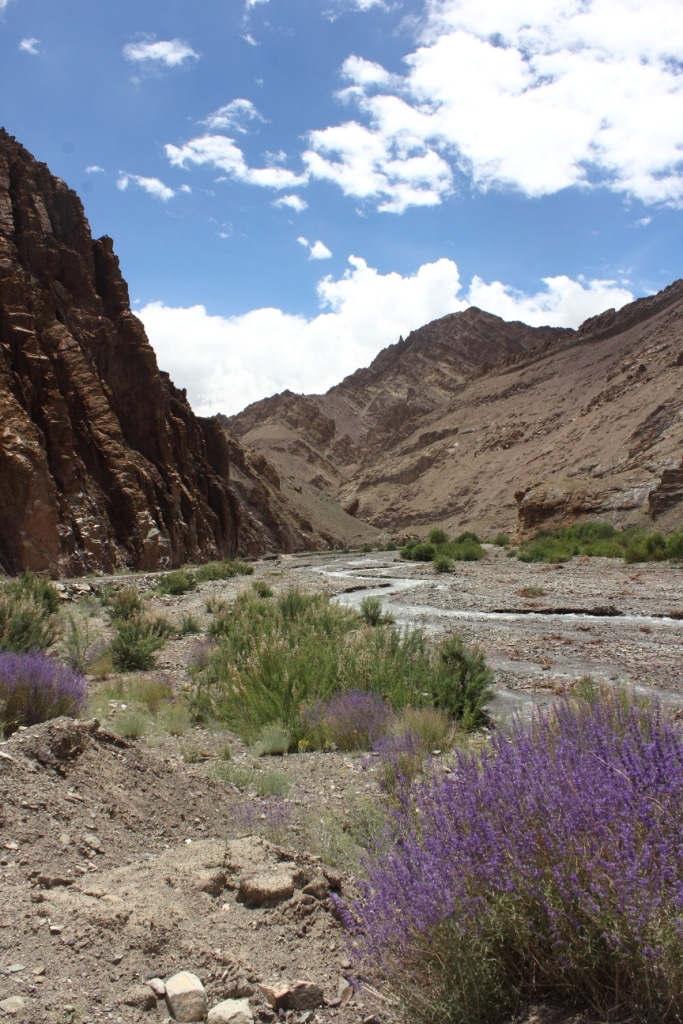
Remote wilderness – Expect a journey into a remote, high-altitude wilderness with dramatic mountain scenery and sparse vegetation. The atmosphere is generally quiet and serene, with only a few other trekkers or wildlife enthusiasts around. The experience is physically demanding but offers profound solitude and a deep connection with nature.
What to do here
Wildlife spotting, trekking – Here, you can engage in activities like wildlife spotting, with the primary goal often being a glimpse of the snow leopard, Blue Sheep, or Tibetan Argali. Trekking through various trails is a popular activity, ranging from moderate day hikes to multi-day expeditions. Bird watching is also rewarding, with several high-altitude species present.
Best time to go
Summer for trekking, winter for snow leopards – The best time to visit depends on your primary interest. For trekking and general wildlife viewing, the months from June to October offer more accessible trails and milder weather. For the best chance of spotting the snow leopard, the colder winter months from October to March are ideal, as the animals descend to lower altitudes in search of prey.
Safety and preparedness
Altitude sickness, cold weather – Due to the extreme high altitude, visitors must be prepared for acute mountain sickness (AMS); proper acclimatization is crucial. The weather can be very cold, especially in winter, requiring appropriate layers of warm clothing. Always carry sufficient water, food, and emergency supplies, and consider hiring an experienced local guide.
Accessibility and effort level
Challenging terrain, permits – Reaching the park typically involves flying into Leh and then traveling by road. The terrain within the park is rugged and challenging, with high passes and steep ascents, requiring a good level of physical fitness. Permits are generally required for trekking and entering certain areas of the park.