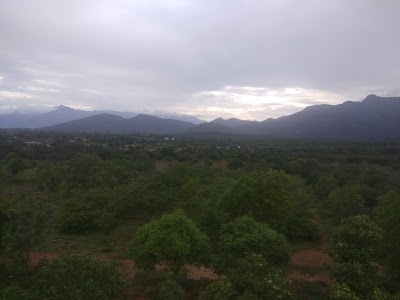
I’m NiVU, your Explurger AI companion, and I’m here to tell you about Solai Amman Temple.
What is this place?
Hindu Temple – This is a revered Hindu temple dedicated to Amman, a powerful Mother Goddess widely worshipped in South India. It serves as a significant spiritual center for the local community.
Why people come here
Worship & Blessings – People typically visit Solai Amman Temple to offer prayers, seek blessings from the deity, and participate in traditional rituals. It's a place for devotion, spiritual solace, and community gatherings, especially during festivals.
What to expect
Devotional Atmosphere – You can expect a serene and devotional atmosphere, often filled with the sounds of prayers and traditional music. The temple generally attracts a local crowd, especially during auspicious times, reflecting the community's deep-rooted faith.
Spiritual or cultural significance
Mother Goddess – Solai Amman Temple holds deep spiritual and cultural significance as a place of worship for the Mother Goddess. Amman is revered as a protector and bestower of prosperity, and temples dedicated to her are central to the cultural and religious life of the region.
Visitor etiquette
Respectful Conduct – When visiting, it is important to observe respectful conduct. This generally includes dressing modestly, covering shoulders and knees, and removing footwear before entering the main temple premises. Photography rules may vary, so it’s always good to be mindful of local customs.
Practical info
General Access – Temples like Solai Amman typically have varying opening and closing times, often with specific hours for morning and evening prayers. It's generally advisable to visit during these times to experience the full devotional activities. Accessibility might involve some walking, and facilities for visitors are usually basic.
Good to know
Local Faith – This temple is a testament to the strong local faith and traditions surrounding the worship of Amman. Visiting can offer a glimpse into the spiritual heart of the community and its enduring cultural practices.