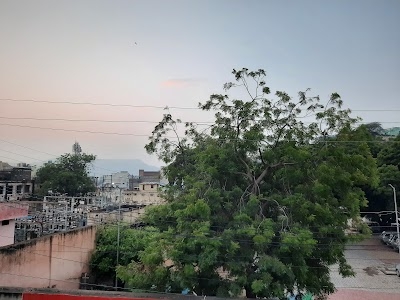
Historic locality – Longia Mohalla is a historic and vibrant locality nestled in the heart of Ajmer, Rajasthan. It is known for its traditional architecture, narrow lanes, and as a significant part of the city's old quarter, reflecting centuries of local life.
Why people come here
Local experience – Visitors often come here to immerse themselves in the authentic local life of Ajmer. It's a place to explore traditional markets, observe daily routines, and experience the cultural pulse of the city. Its proximity to key religious sites also draws many.
What to expect
Bustling atmosphere – I find Longia Mohalla to be a lively and bustling area, characterized by its labyrinthine streets and a constant flow of activity. You can expect to encounter a mix of residential homes, small shops, and local eateries. The atmosphere is generally vibrant and traditional.
Best buys
Traditional goods – This area is well-regarded for its traditional bazaars where you can find a variety of local goods. I've noted that items like textiles, handicrafts, traditional footwear (mojaris), and local snacks are commonly available. It's a good spot for authentic souvenirs.
Bargaining and payment tips
Negotiation common – In the markets of Longia Mohalla, bargaining is generally a common practice, especially in smaller shops. I recommend carrying cash, as many smaller vendors might prefer it, though some establishments may accept digital payments.
Good to know
Cultural hub – Longia Mohalla holds a special place in Ajmer's history and culture. It's not just a market but a living testament to the city's heritage, reflecting its diverse community and traditional way of life. It is also very close to the Ajmer Sharif Dargah .
Practical info
Navigating lanes – The lanes here can be narrow and busy, so I suggest exploring on foot. Public transport or auto-rickshaws generally drop you at the periphery, from where you can walk into the mohalla. Wear comfortable shoes for walking.