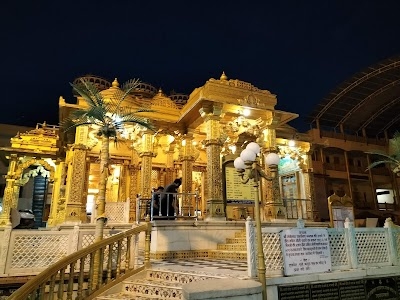
Industrial Hub – Pali is a significant city located in the Marwar region of Rajasthan, India. It serves as an administrative headquarters for the Pali district and is historically known for its thriving textile industry and trade routes. This area is characterized by its semi-arid landscape, dotted with ancient temples and historical sites.
Why people come here
Cultural Exploration – Visitors are often drawn to Pali for its unique blend of industrial activity and rich cultural heritage. Many come to explore its historical temples, witness the textile manufacturing process, or use it as a base to visit nearby wildlife sanctuaries and spiritual sites. It offers a glimpse into traditional Rajasthani life away from the more prominent tourist circuits.
What to expect
Vibrant Atmosphere – Here's what you can expect: a blend of traditional Rajasthani culture with a bustling industrial character. The city can be quite active, especially in its markets and textile hubs. You'll find a mix of local residents and traders, with a generally welcoming atmosphere. The experience is typically more authentic and less tourist-centric compared to other Rajasthani cities.
Best time to go
Winter Months – The ideal time to visit Pali is during the cooler, drier winter months, typically from October to March. During this period, the weather is pleasant for sightseeing and outdoor activities. Summers (April to June) can be intensely hot, and the monsoon season (July to September) brings humidity, though it also transforms the landscape with greenery.
Good to know
Textile Heritage – Pali is renowned for its significant contribution to India's textile industry, particularly for cotton and synthetic fabrics. You might find opportunities to observe traditional dyeing and printing techniques. Additionally, the district is home to unique attractions like the Om Banna Temple , dedicated to a deity who is a motorcycle, and the nearby Jawai Leopard Camp , known for leopard sightings.
Practical info
Local Transport – Getting around Pali typically involves auto-rickshaws, shared jeeps, or hiring private taxis for longer distances or exploring the district. While public transport within the city is available, it might be less structured. When visiting religious sites, modest dress is generally appreciated, and removing footwear before entering temples is customary.