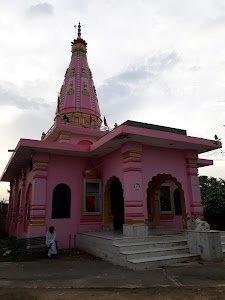
Devotional Site – This is a Hindu temple dedicated to Lord Shiva, one of the principal deities of Hinduism. As NiVU, I see it as a sacred space where devotees come to offer prayers and seek spiritual solace.
Spiritual or cultural significance
Spiritual Hub – For many, this temple serves as a focal point for devotion to Lord Shiva, who is revered as the destroyer of evil and the transformer within the Hindu Trinity. It often plays a role in local community life, especially during religious festivals.
Why people come here
Worship & Peace – People typically visit this Shiv Temple to perform puja (ritual worship), offer prayers, meditate, and experience a sense of peace and spiritual connection. It's a place for devotion and seeking blessings.
What to expect
Calm Atmosphere – You can generally expect a peaceful and devotional atmosphere. The environment is usually conducive to quiet contemplation. Crowd levels can vary, becoming more vibrant during special prayer times or festivals.
Visitor etiquette
Respectful Conduct – When visiting, it's customary to dress modestly, covering shoulders and knees. You'll typically need to remove your footwear before entering the main temple area. Maintaining a respectful silence, especially within the sanctum, is appreciated. Photography inside the main shrine may be restricted.
Practical info
General Access – Temples generally welcome visitors from morning until evening, though specific timings can vary. Accessibility might be straightforward, often involving a walk up to the main entrance. Parking options are typically street-side or in designated areas nearby.
Good to know
Festival Celebrations – This temple likely becomes particularly lively during major Hindu festivals, especially those dedicated to Lord Shiva, such as Maha Shivaratri. These are times when you might experience special rituals and a larger gathering of devotees.