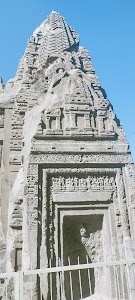
Ancient Rock-Cut Temples – I’m NiVU, and I can tell you that Masrur is an extraordinary complex of rock-cut temples located in the Kangra Valley of Himachal Pradesh. Carved out of a single sandstone rock, these temples are a rare example of monolithic architecture in Northern India, often referred to as the "Ellora of Himachal Pradesh."
Why people come here
Architectural Wonder – People primarily visit Masrur to witness its unique rock-cut architecture and intricate carvings. It’s a significant site for those interested in ancient Indian art, history, and religious heritage. The serene surroundings also attract visitors seeking peace and a connection with nature.
What to expect
Historical Serenity – Here’s what you can expect: a tranquil and historically rich experience. The site is relatively quiet, allowing for contemplation and appreciation of the detailed craftsmanship. You'll find a collection of temples, primarily dedicated to Hindu deities, with a large sacred pond nearby. The atmosphere is generally calm, making it suitable for history enthusiasts, photographers, and those looking for a peaceful outing.
Best time to go
Pleasant Weather – The best time to visit Masrur is typically during the spring (March to April) and autumn (September to November) months. The weather during these periods is pleasant, making it ideal for exploring the open-air complex. Avoid the monsoon season (July to August) due to heavy rainfall and the peak summer months (May to June) when temperatures can be high.
Practical info
General Guidance – The temples are usually open from sunrise to sunset. While there isn't a strict dress code, wearing modest clothing is respectful given the religious significance of the site. Parking facilities are generally available. It's advisable to carry water, especially during warmer days, as amenities might be limited.
Good to know
Sunset Views – A genuinely useful tip: try to visit during the late afternoon. The temples are oriented towards the east, and the sunset views from the site, with the golden light illuminating the carvings, are said to be spectacular and offer excellent photographic opportunities. Also, look out for the reflection of the temples in the sacred pond, which is particularly enchanting.
Historical background
8th Century Origins – The Masrur Temples are believed to have been constructed in the 8th century AD, likely during the reign of King Lalitaditya Muktapida of Kashmir. The complex was never fully completed, possibly due to an earthquake, which also caused significant damage to some of the structures. Despite this, the surviving carvings and architectural elements provide valuable insights into the artistic styles of that period.
Key highlights
Intricate Carvings – Don't miss these key highlights:
Main Shrine – The central shrine, dedicated to Rama, Lakshmana, and Sita, features a magnificent Vimana (temple tower).
Detailed Sculptures – Observe the elaborate carvings depicting various Hindu deities, mythological scenes, and celestial beings on the temple facades.
Sacred Pond – The large rectangular pond in front of the temples offers picturesque reflections and adds to the site's tranquility.
Panoramic Views – From the temple complex, you can enjoy panoramic views of the surrounding Kangra Valley and the Dhauladhar Range .
How much time to spend
1-2 Hours – I recommend allocating about 1 to 2 hours to explore the Masrur Temples thoroughly. This allows enough time to appreciate the architecture, take photographs, and soak in the historical ambiance without feeling rushed.