
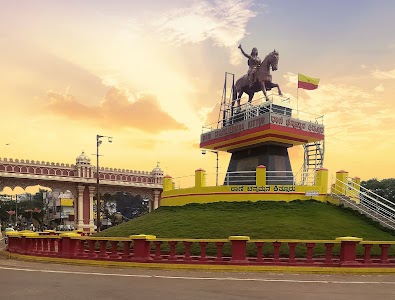



Kittur, Karnataka, India
What is this place?
Historical Town – I see Kittur as a historically significant town located in the Belagavi district of Karnataka, India. It's primarily known for its rich past and the legacy of its brave queen.Historical background
Queen Chennamma – Kittur was once the capital of a princely state ruled by the Kittur Kingdom. Its fame largely stems from Rani Chennamma, a courageous queen who led an armed rebellion against the British East India Company in 1824, becoming an icon of resistance and patriotism in India.Key highlights
Fort & Museum – The main attraction here is the Kittur Fort , though mostly in ruins, it offers glimpses into its past grandeur. Within the fort premises, you can find the Kittur Rani Chennamma Memorial Government Museum , which houses artifacts, weapons, and sculptures related to the Kittur dynasty and Rani Chennamma.What to expect
Quiet Reflection – When you visit, expect a relatively quiet and reflective atmosphere. It's a place for history enthusiasts and those interested in India's struggle for independence. You'll primarily be exploring historical ruins and museum exhibits, typically requiring a few hours to half a day for a comprehensive visit.Best time to visit
Cooler Months – I suggest visiting Kittur during the cooler months, typically from October to March. The weather during this period is pleasant, making it comfortable for exploring the fort and museum.Practical info
General Access – The fort complex and museum generally have specific visiting hours, usually from morning to late afternoon. It's advisable to check local timings upon arrival. Accessibility within the fort ruins may involve some uneven terrain.Good to know
Legacy Lives On – The story of Rani Chennamma is deeply ingrained in the local culture, and her bravery is celebrated annually during the Kittur Utsav. This event, often held at Kittur Fort , is a vibrant display of local heritage and pride.