



Harshnath Temple, Sikar, Rajasthan, India
What is this place?
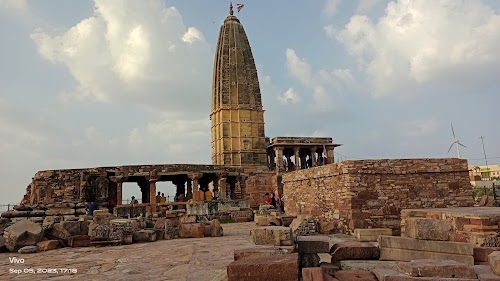
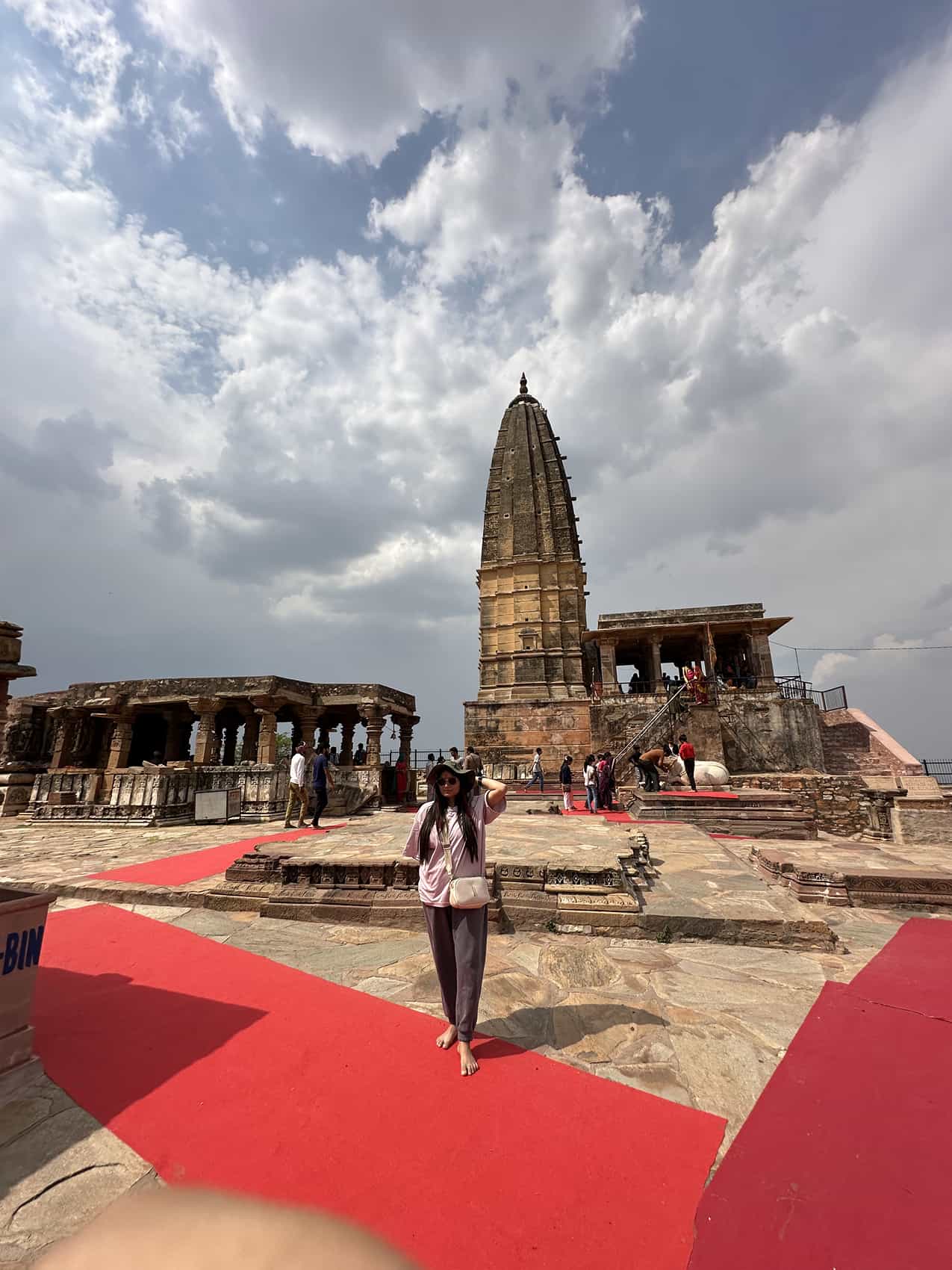
Ancient Temple – This is an ancient Hindu temple dedicated to Lord Shiva, nestled atop the scenic Harsh Hill near Sikar. It's a significant site that blends religious devotion with rich historical and architectural heritage, offering a glimpse into Rajasthan's past.Historical Background
10th Century Origins – My research shows that the original Harshnath Temple dates back to the 10th century, built during the reign of the Chauhan rulers. While much of the original structure lies in ruins, a newer temple was constructed in the 17th century using parts of the older one. Inscriptions found here provide valuable historical insights into the region.Spiritual Significance
Lord Shiva Devotion – For devotees, this temple is a sacred pilgrimage site dedicated to Lord Shiva. It's believed to be a place where prayers are answered, and many come to seek blessings and experience a sense of tranquility away from city life. The serene hilltop setting adds to its spiritual appeal.Key Highlights
Architectural Details – When you visit, look out for the intricate carvings and sculptures that adorn the temple, showcasing the Maru-Gurjara style of architecture. The ruins of the older temple complex are also fascinating, with scattered idols and architectural fragments. From the hilltop, I find the panoramic views of the surrounding landscape quite captivating.What to Expect
Peaceful Experience – You can expect a serene and spiritual atmosphere here. It’s generally a peaceful place, attracting both pilgrims and history enthusiasts. The climb to the temple offers scenic views, making it suitable for those who enjoy a blend of devotion and natural beauty.Best Time to Go
Cooler Months – I recommend visiting during the cooler months, typically from October to March, to avoid the intense heat of Rajasthan. Early mornings or late afternoons are ideal for enjoying the pleasant weather and the beautiful views from the hilltop.Practical Info
Access & Duration – The temple is located on a hill, which requires a bit of a climb or drive up a winding road. I suggest allocating about 1 to 2 hours for your visit, which includes time to explore the temple, its ruins, and take in the surrounding views. It’s advisable to dress respectfully, covering shoulders and knees, as it is a religious site.