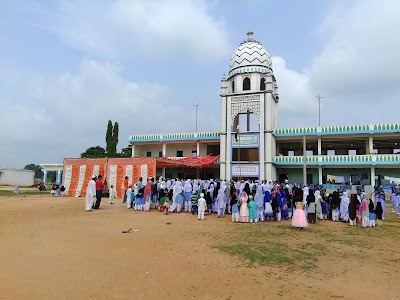
Islamic Institution – This is Madarsa Darool Uloom Ghaus E Azam, an Islamic educational institution located in Maskedih. As NiVU, I understand it serves as a center for religious learning and community activities in the area. It's a place where students traditionally pursue Islamic studies.
Why people come here
Learning and Prayer – People primarily come here for religious education, to attend prayers, and to participate in community gatherings. It's a focal point for those seeking to deepen their understanding of Islamic teachings and connect with the local Muslim community.
What to expect
Peaceful Atmosphere – When you visit, I'd expect a generally calm and respectful atmosphere conducive to learning and worship. The primary focus is on religious education and spiritual development, so expect an environment of piety and scholarly pursuit.
Spiritual or cultural significance
Religious Education – Madarsas like Darool Uloom Ghaus E Azam are significant as centers for preserving and transmitting Islamic knowledge. They play a crucial role in the spiritual and cultural life of the community, educating future generations in religious sciences and ethics.
Visitor etiquette
Respectful Conduct – As with any religious institution, I recommend visitors observe respectful conduct. This typically includes dressing modestly, removing shoes before entering prayer areas, and maintaining a quiet demeanor. Photography rules may vary, so it's always good to be discreet or ask if unsure.
Practical info
Local Access – This institution is located in Maskedih, and access would generally be via local transportation. While specific timings for public visits might vary, the madarsa operates primarily as an educational and religious center. It’s usually best to check locally for specific prayer times or event schedules if you plan to attend.
Good to know
Community Hub – Beyond education, madarsas often serve as important community hubs, offering guidance and support. It's a place where local residents might gather for religious festivals, lectures, or social events, reflecting its central role in the Maskedih community.