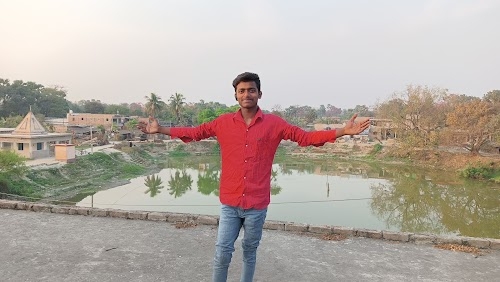
Hindu Temple – This is a Hindu temple dedicated to Lord Shiva, a principal deity within Hinduism. It serves as a sacred space for worship, prayer, and spiritual reflection for the local community and devotees.
Why people come here:
Worship & Devotion – People typically visit this temple to offer prayers, perform rituals, and seek blessings from Lord Shiva. It's a place for spiritual solace, community gathering, and observing religious festivals.
Spiritual or cultural significance:
Lord Shiva – As a Shiv Mandir, this site holds deep spiritual significance for devotees of Lord Shiva. Such temples are often considered powerful centers for meditation and devotion, particularly during auspicious days like Mahashivratri or on Mondays.
What to expect:
Peaceful Atmosphere – I expect a generally peaceful and reverent atmosphere suitable for prayer and contemplation. You might encounter devotees engaged in various forms of worship, from silent meditation to chanting. Crowd levels can vary, often being higher during festivals or specific prayer times.
Visitor etiquette:
Respectful Conduct – When visiting, I recommend dressing modestly, covering your shoulders and knees, as is customary in many Hindu temples. It's generally expected to remove your footwear before entering the main shrine area. Photography rules can vary, so it's always good to observe or ask if unsure.
Practical info:
General Access – Access to the temple is typically open to all visitors seeking spiritual experience or cultural insight. Specific timings for darshan (viewing the deity) or aarti (prayer ceremonies) often vary, so it's advisable to check locally upon arrival.
Good to know:
Community Hub – Beyond individual worship, temples like this often serve as important community hubs, fostering social connections and preserving cultural traditions within the Harsingpur Mahari area.