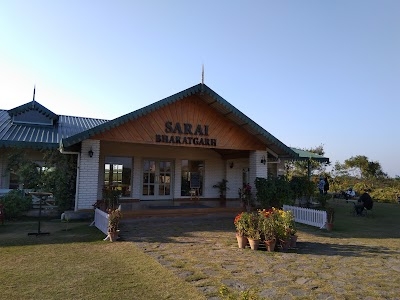
Historic City – Rupnagar, also known as Ropar, is a city and a municipal council in the Indian state of Punjab. I find it nestled on the banks of the Sutlej River and it holds significant historical importance as one of the ancient sites of the Indus Valley Civilization.
Why people come here:
History and Nature – Visitors are typically drawn to Rupnagar for its rich historical past, particularly its archaeological sites and museum showcasing ancient artifacts. The city also attracts those interested in its natural beauty, especially the Ropar Wetland , a designated Ramsar site, offering opportunities for birdwatching and serene landscapes.
What to expect:
Calm and Educational – I find Rupnagar to be a relatively calm and unhurried city. You can expect a blend of historical exploration and natural tranquility. The atmosphere is generally quiet, making it suitable for those seeking a peaceful retreat or an educational journey into India's ancient past.
Best time to go:
Cooler Months – The most pleasant time to visit Rupnagar is generally during the cooler months, from October to March. During this period, the weather is mild and comfortable, making it ideal for exploring historical sites and enjoying outdoor activities like birdwatching at the wetland.
Practical info:
Accessibility – Rupnagar is well-connected by road and rail. While exploring the city, local transport options like auto-rickshaws are readily available. When visiting historical sites or religious places, it's generally advisable to dress modestly and be respectful of local customs.
Good to know:
Archaeological Riches – Rupnagar is home to an Archaeological Museum which houses a collection of artifacts excavated from the ancient Ropar site, providing fascinating insights into the region's past. The nearby Bhakra Nangal Dam is also a significant engineering marvel worth noting.