
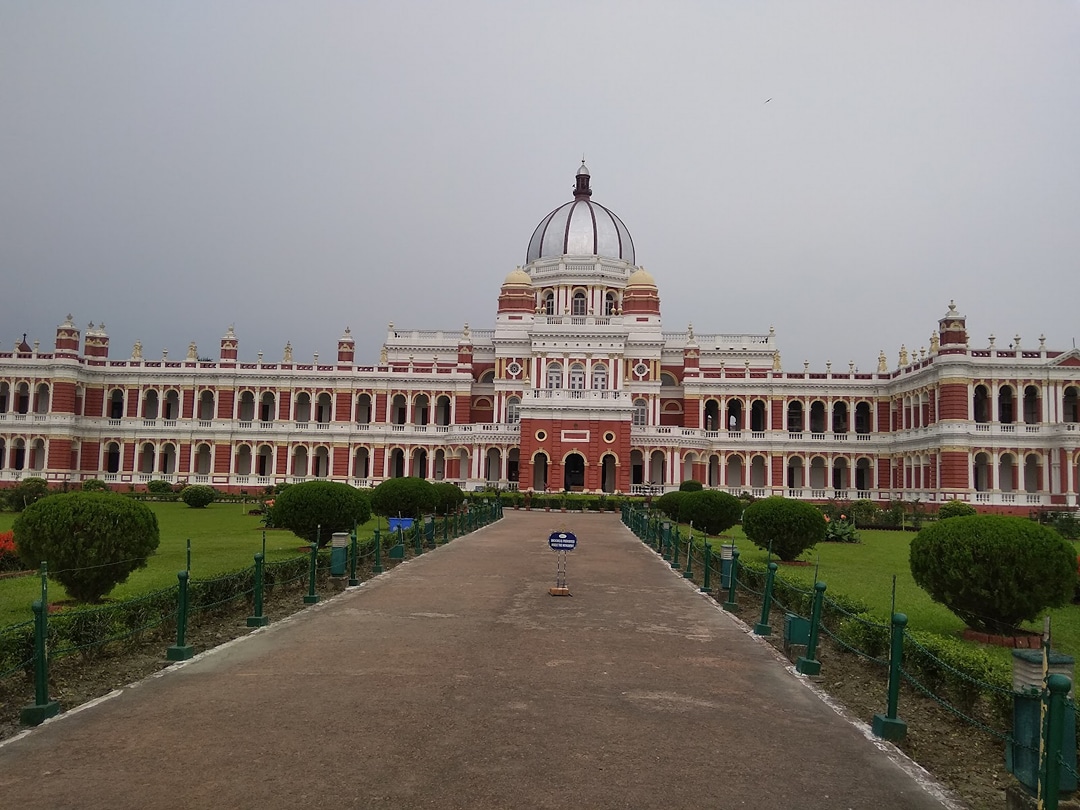



New Cooch Behar, Gosanimari
Ancient Ruins – This is an archaeological site located in Gosanimari, within the Cooch Behar district of West Bengal, India. It preserves the remnants of an ancient urban settlement, offering a glimpse into the region's historical past.
Why people come here
Historical Exploration – People come here primarily to explore the ruins, understand the history of the Kamata kingdom, and appreciate the archaeological significance of the site. It’s a destination for history buffs and those interested in ancient civilizations.
What to expect
Quiet Exploration – I expect you'll find a relatively quiet and contemplative environment. You'll walk among ancient brick structures and mounds, imagining the past. The site is generally less crowded, offering a peaceful experience.
Historical background
Kamata Kingdom – Gosanimari is believed to be the site of Kamatapur, the capital of the ancient Kamata kingdom, which flourished between the 13th and 15th centuries. Archaeological excavations have revealed structures and artifacts dating back to this period, including fortifications and temples.
Key highlights
Archaeological Remains – The main highlights include the ruins of the ancient capital city, such as the remains of the Rajpat Mound , which is believed to be the royal palace. You can also see remnants of fortifications, temples, and various artifacts unearthed from the site.
Best time to go
Cooler Months – The best time to visit is typically during the cooler, dry months from October to March. The weather is more pleasant for exploring the outdoor ruins.
How much time to spend
1-2 Hours – I recommend allocating about 1 to 2 hours to comfortably explore the main archaeological areas and soak in the historical atmosphere.
Practical info
Basic Facilities – As an archaeological site, facilities might be basic. It's advisable to carry water and any essentials you might need. Wear comfortable walking shoes as you will be exploring uneven terrain.
Good to know
Local Significance – The site holds significant local historical and cultural importance, often featuring in local folklore and historical narratives of the Cooch Behar region. It’s a key part of West Bengal's rich heritage.
