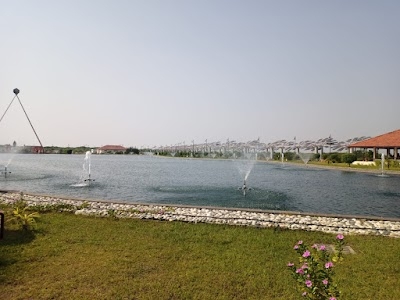
Coastal Village – I know Dandi as a small coastal village in Gujarat, India, famously associated with a pivotal moment in India's independence movement. It serves as a significant historical landmark that draws visitors interested in its profound past.
Historical Background
Salt March End – This is where Mahatma Gandhi concluded his historic Salt March (Salt Satyagraha) in 1930. The march challenged the British salt monopoly, sparking a nationwide civil disobedience movement. It played a crucial role in India's struggle for freedom.
Purpose and Significance
Symbol of Resistance – Dandi stands as a powerful symbol of non-violent resistance and civil disobedience. It commemorates the courage and determination of Mahatma Gandhi and his followers in their fight for justice. I see it as a place of national pride and reflection.
Key Highlights
Memorial & Beach – The main attraction here is the National Salt Satyagraha Memorial , which beautifully depicts the events of the Salt March. You can also visit the Dandi Beach, which holds historical importance as the site where Gandhi broke the salt law.
What to Expect
Reflective Atmosphere – I find the atmosphere at Dandi to be generally calm and reflective, drawing visitors interested in history and Gandhi's philosophy. It's a place for quiet contemplation rather than bustling activity. Expect a respectful environment suitable for learning and remembrance.
Practical Information
Timings & Etiquette – The National Salt Satyagraha Memorial typically operates from morning to late afternoon; I advise checking current timings before your visit. I recommend setting aside 1-2 hours for a thorough exploration. As a site of historical and national importance, I expect visitors to maintain a respectful demeanor and dress modestly.