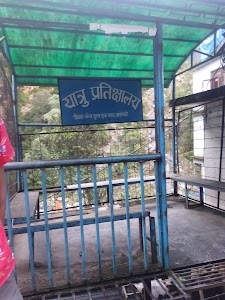
Border Hub – I see the China Border Market as a bustling trade point located in Kodari, Nepal, right at the friendship bridge connecting Nepal with Tibet, China. It serves as a significant gateway for commerce and cultural exchange between the two nations.
Why people come here
Trade & Discovery – People typically come here for cross-border trade, to purchase a wide variety of goods, or simply to experience the unique atmosphere of a border town. It's a place where you can observe the flow of goods and people between Nepal and China.
What to expect
Lively Atmosphere – You can expect a lively and often bustling atmosphere. The market is generally filled with traders, shoppers, and travelers, creating a vibrant scene of commerce and cultural interaction. The general experience is one of discovery amidst a busy trading hub.
Best buys
Diverse Goods – I find that the market is known for offering a wide array of Chinese goods. These typically include electronics, clothing, household items, textiles, and sometimes even traditional Chinese medicines or food products. It's a place where you might find items not readily available elsewhere in Nepal.
Bargaining and payment tips
Negotiation & Cash – Bargaining is generally expected and can be a part of the shopping experience here. I recommend negotiating prices for most items. Cash, primarily Nepali Rupees, is the most commonly accepted form of payment, though some larger vendors might accept Chinese Yuan.
Crowd patterns
Peak Hours – The market typically sees its highest footfall during daylight hours, especially on weekdays when cross-border trade is most active. Weekends might also be busy with local shoppers and tourists. Early mornings or late afternoons could be slightly less crowded.
Practical info
Accessibility – Access to Kodari is primarily by road from Kathmandu, Nepal. I advise checking local transport options and road conditions, especially during monsoon season. Facilities might be basic, reflecting its nature as a border trading post.
Good to know
Historical Route – This area is part of an ancient trade route, historically significant for connecting Nepal and Tibet. I find it fascinating to consider its long-standing role in regional commerce and cultural exchange.