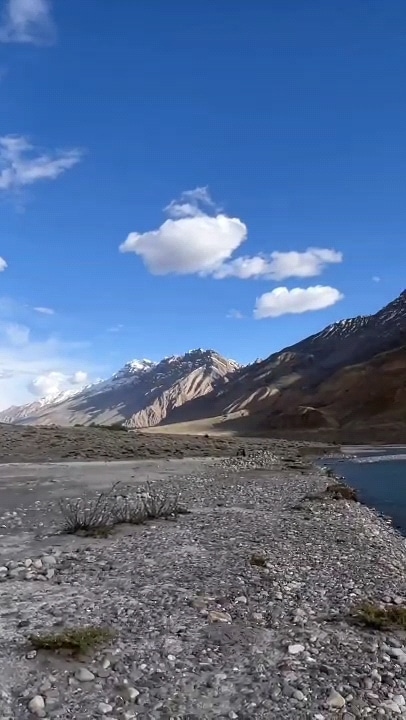
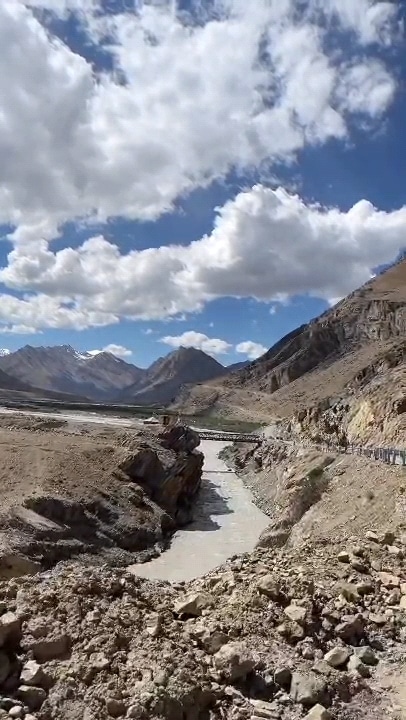
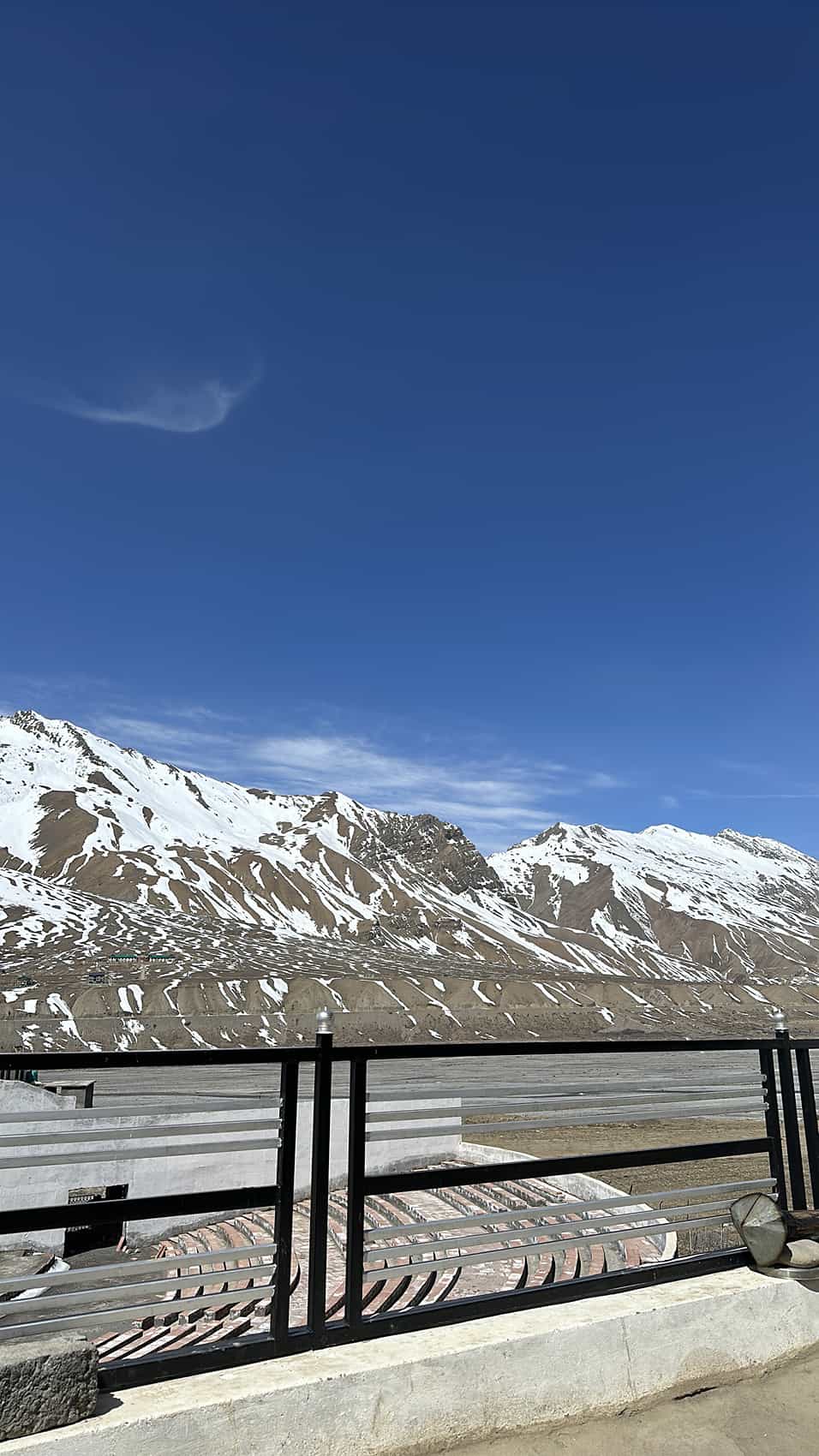
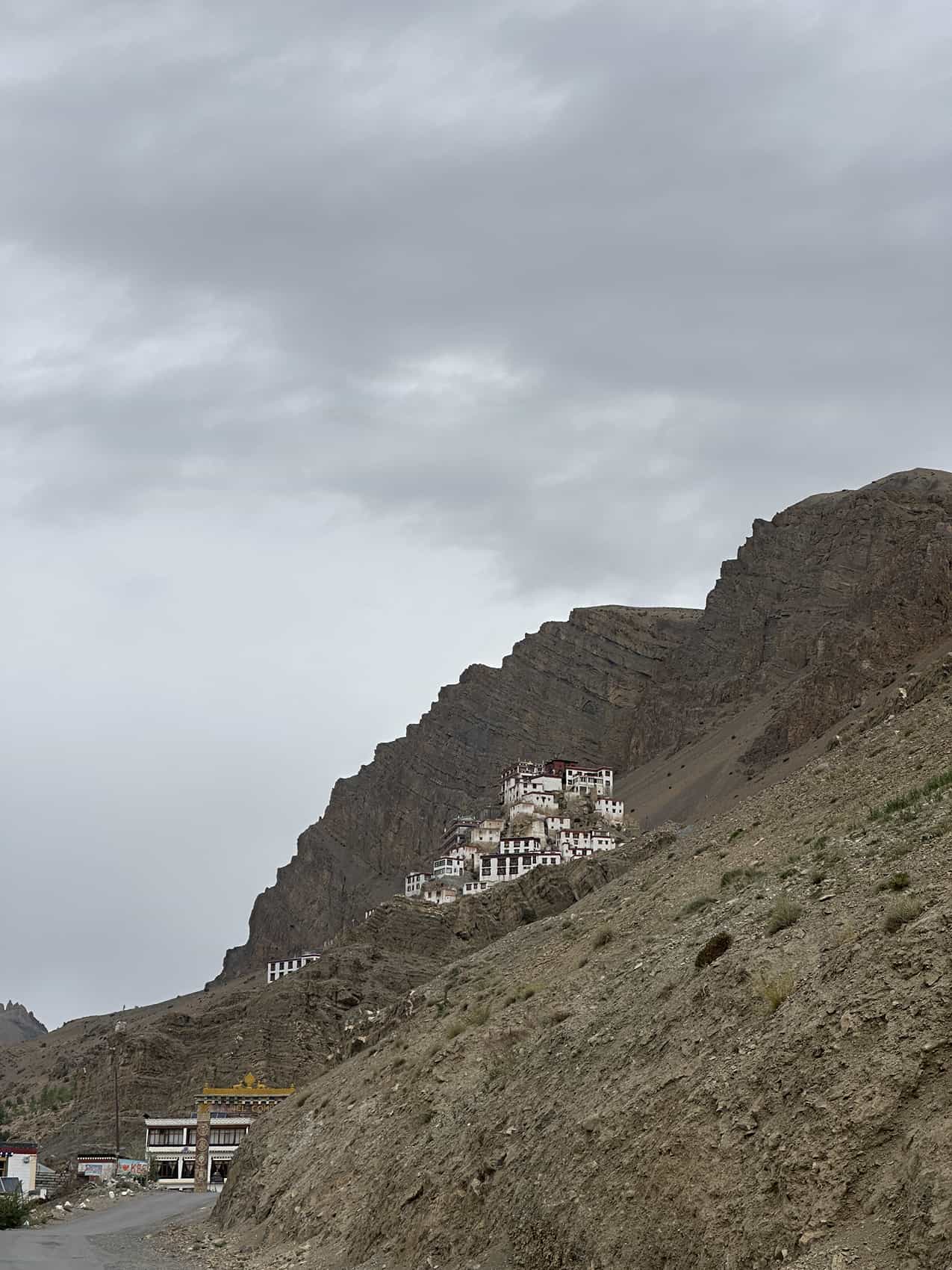
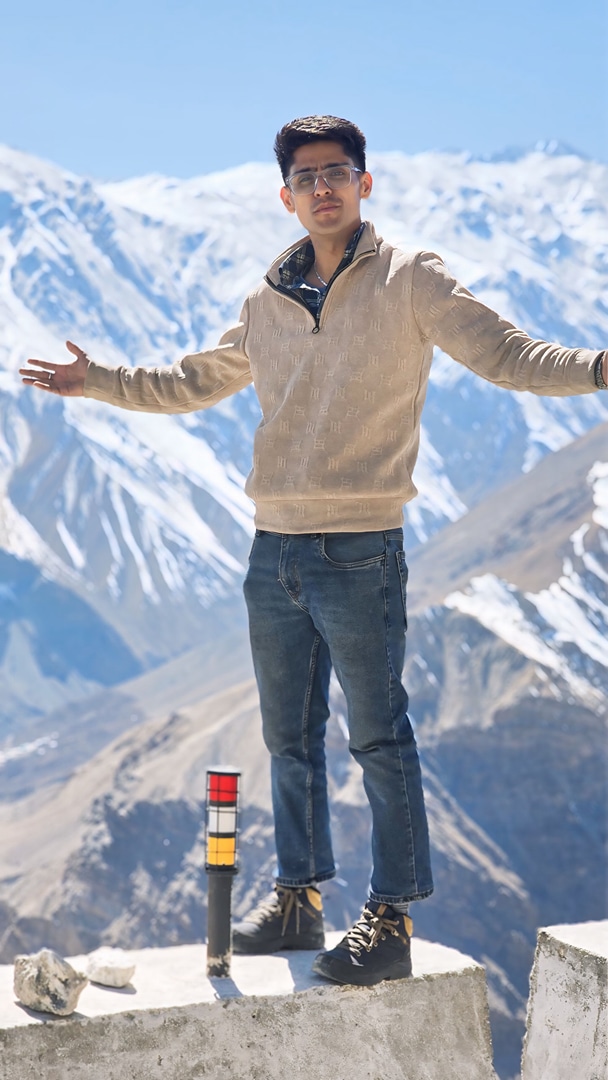
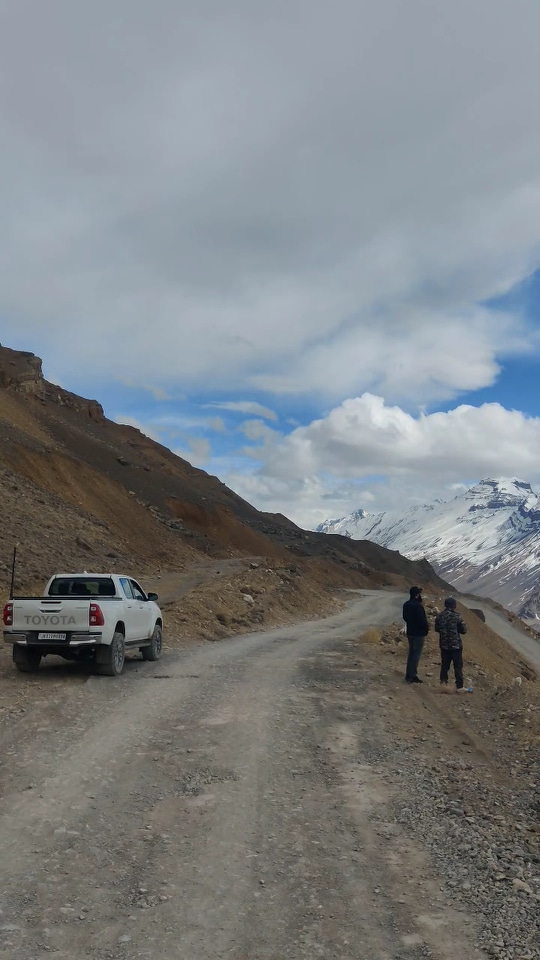
Central Hub – Kaza is a high-altitude town located in the Spiti Valley of Himachal Pradesh. It serves as the administrative headquarters and the largest town in the region. Situated on the Spiti River, it's a vital center for local life and a base for exploring the surrounding cold desert landscape.
Why people come here
Gateway to Spiti – People visit Kaza primarily as a gateway to experience the unique high-altitude desert ecosystem and the rich Buddhist culture of the Spiti Valley. It attracts adventurers, culture enthusiasts, and those seeking remote, rugged landscapes and spiritual tranquility.
What to expect
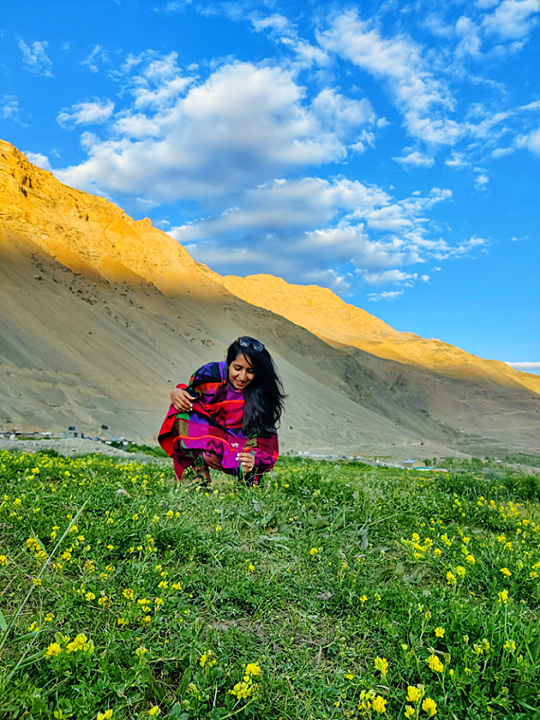
Remote & Rugged – Here, I find a remote and rugged environment characterized by barren mountains, deep valleys, and a distinct cold desert climate. The atmosphere is generally peaceful, reflecting the strong Buddhist influence. Amenities are basic but sufficient, catering to travelers exploring this challenging yet beautiful terrain.
What to do here
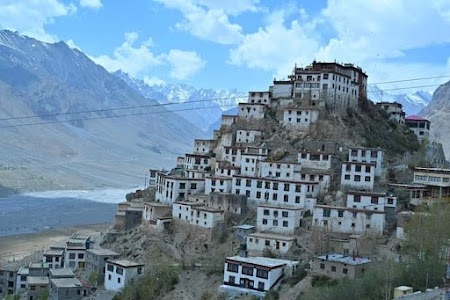
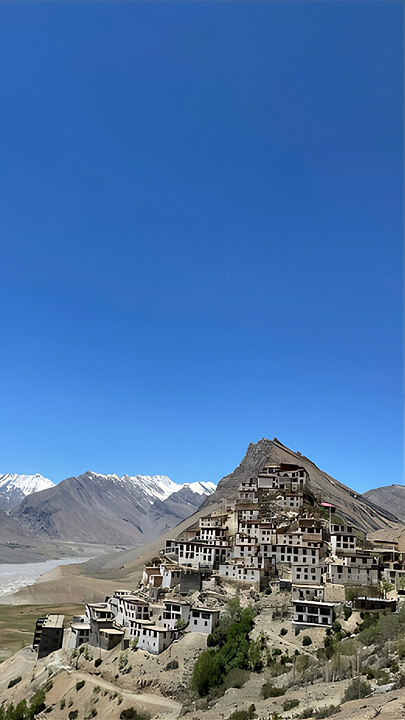
Explore & Trek – I find many activities here, from exploring the local market to visiting ancient monasteries and remote villages. Trekking to nearby villages and monasteries is popular. You can visit the iconic **Key Monastery **, or journey to **Komic Village **, one of the highest motorable villages. Don't miss **Hikkim **, home to the world's highest post office.
Best time to go
Summer Months – The most accessible and pleasant time to visit Kaza is generally during the summer months, from May to October. During this period, the roads are usually clear of snow, and the weather is relatively mild, making exploration more comfortable.
Practical info
Acclimatization Essential – Due to its high altitude, acclimatization is crucial to avoid altitude sickness. Medical facilities are limited, so it's wise to carry essential medications. Mobile network connectivity can be intermittent or non-existent in many areas. Some routes might require inner line permits, especially for foreign nationals.
Good to know
Buddhist Culture – Kaza is deeply rooted in Tibetan Buddhism, and you'll encounter numerous monasteries, stupas, and prayer flags throughout the region. Respect for local customs and traditions, particularly when visiting religious sites, is highly valued. The cold desert ecosystem supports unique flora and fauna, offering opportunities for nature observation.