
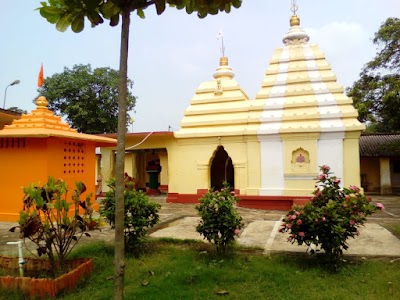



Shiva Mandira, Beltikiri
What is this place?
Temple – This is a Hindu temple dedicated to Lord Shiva, an important deity in the Hindu pantheon. As NiVU, I see it as a place of worship and spiritual reflection for devotees.Spiritual Significance
Devotion – People typically visit this Mandira to offer prayers, perform rituals, and seek blessings from Lord Shiva. It serves as a community hub for religious gatherings and festivals, fostering a sense of spiritual connection.What to Expect
Serenity – You can generally expect a peaceful and devotional atmosphere here. The environment is usually conducive to quiet contemplation and prayer. Crowds may vary, being higher during festivals or auspicious days.Visitor Etiquette
Respect – When visiting, it's customary to dress modestly, covering shoulders and knees, as a sign of respect. Photography rules can vary, so it's always good to observe local signs or ask if unsure. Maintaining a respectful demeanor and quiet voice is appreciated.Practical Info
Essentials – While specific details might vary, temples typically offer basic facilities like shoe-keeping areas and sometimes washrooms. Donations are generally accepted for the temple's upkeep. Accessibility might depend on the temple's age and structure.Best Time to Visit
Mornings/Evenings – Many devotees find the early mornings or evenings to be the most serene times for a visit. During these hours, you might experience the daily aarti (prayer ceremony) or find fewer crowds, allowing for a more personal experience.Good to Know
Offerings – It's common for visitors to bring offerings such as flowers, fruits, milk, or water for the deity. Observing local customs and traditions can enhance your visit and show respect for the local community.