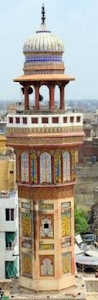
Mosque – This is Ansari Jama Masjid, a significant mosque located in baniapur, Saraya. As a mosque, it serves as a central place of worship and community gathering for Muslims in the area.
Why people come here
Prayer & Community – People primarily visit Ansari Jama Masjid for daily prayers, Friday congregational prayers (Jum'ah), and special religious occasions like Eid. It's also a place for spiritual reflection, seeking knowledge, and fostering community bonds among local residents.
What to expect
Peaceful Atmosphere – I find that you can expect a serene and respectful atmosphere here, especially outside of peak prayer times. During prayer times, particularly for Friday prayers, the mosque can be quite busy with worshippers. It’s a place for quiet contemplation and communal devotion.
Best time to go
Anytime for Reflection – For general visits or quiet reflection, I suggest going outside of the five daily prayer times, particularly avoiding Friday afternoons when it's busiest. If you wish to observe or participate in prayers, then aligning your visit with any of the prayer calls would be appropriate.
Practical info
Respectful Conduct – Mosques are typically open from dawn until late evening for worshippers. I advise dressing modestly, covering shoulders and knees. Women are generally expected to cover their heads. Shoes are always removed before entering the main prayer halls.
Spiritual or cultural significance
Community Hub – Ansari Jama Masjid holds deep spiritual and cultural significance as a focal point for the local Muslim community. It's not just a place for prayer but often serves as a center for religious education, social activities, and community support in baniapur, Saraya.
Visitor etiquette
Modesty & Quiet – When visiting, I recommend maintaining a quiet demeanor and being mindful of those praying. Photography is generally permitted, but always be discreet and avoid photographing individuals without their consent. Please ensure your mobile phone is on silent.
Facilities for visitors
Ablution Areas – You'll typically find designated areas for ablution (wudu) for ritual purification before prayer. Prayer halls are separated for men and women. While specific details can vary, basic facilities for worshippers are usually available.