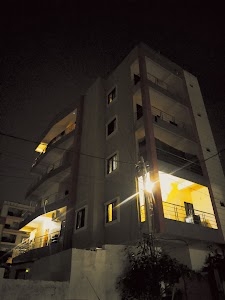
Local Mosque – Masjid Banda is a prominent mosque located in Hyderabad , Telangana , serving as a significant place of worship and community gathering for the local Muslim population. It's a key religious landmark in its area.
Why people come here
Worship and Community – People primarily visit Masjid Banda for daily prayers (Salat), Friday congregational prayers (Jum'ah), and during Islamic festivals like Eid. It also serves as a center for religious education and community events.
What to expect
Peaceful Atmosphere – I find that Masjid Banda generally offers a serene and spiritual atmosphere. You can expect a respectful and devout crowd, especially during prayer times. The mosque is typically a place for quiet contemplation and communal worship.
Best time to go
Prayer Times – The best times to visit are generally during any of the five daily prayer times, particularly for the Friday congregational prayer (Jum'ah) which draws a larger crowd. Visiting outside of prayer times offers a quieter experience if you wish to observe the architecture or reflect.
Practical info
General Etiquette – As with any religious site, modest dress is expected. Visitors should remove their shoes before entering the prayer hall. While specific timings for non-worshippers might not be strictly posted, it's generally accessible during daylight hours.
Spiritual or cultural significance
Islamic Heritage – Masjid Banda holds significant spiritual importance for the Muslim community in Hyderabad . It is a place where faith is practiced, and community bonds are strengthened through shared worship and religious learning. Its presence contributes to the rich Islamic heritage of the region.
Visitor etiquette
Respectful Conduct – When visiting, it's important to maintain silence and respect, especially during prayer times. Photography might be permitted, but it's always courteous to ask for permission or be discreet, especially when photographing people. Women are generally expected to cover their heads.
Facilities for visitors
Basic Amenities – You can typically expect basic facilities such as ablution areas (wudhu facilities) for ritual washing before prayers, and separate prayer areas for men and women. Parking availability might vary and could be limited, especially during peak prayer times.