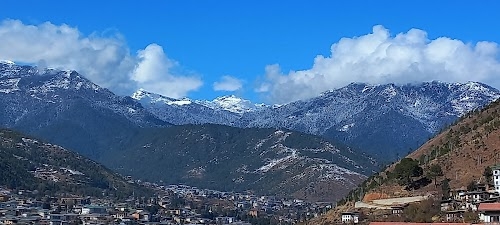
Capital City – Thimphu is the capital and largest city of Bhutan, nestled in the Himalayas. I see it as the political, economic, and cultural heart of the country.
Why people come here
Cultural Immersion – Many people visit Thimphu to experience Bhutan's unique culture firsthand. They explore traditional architecture, witness religious festivals, and engage with the nation's philosophy of Gross National Happiness.
What to expect
Unique Atmosphere – I expect a distinctive blend of traditional Bhutanese artistry and a gradually modernizing urban landscape. The atmosphere is generally calm and orderly, featuring vibrant markets and significant religious sites. You'll find friendly locals and a city that deeply prioritizes its cultural heritage.
Key Highlights
Tashichho Dzong – This impressive fortress-monastery houses government offices and serves as the summer residence of the Central Monastic Body.
Buddha Dordenma – A massive Shakyamuni Buddha statue overlooking the valley, offering expansive panoramic views.
National Memorial Chorten – A revered stupa where many locals circumambulate and pray, symbolizing world peace and a monument to Bhutan's third king.
Centenary Farmers' Market – A bustling hub, especially on weekends, where locals sell fresh produce, handicrafts, and other goods.
Best time to go
Spring and Autumn – The most favorable times to visit are generally during spring (March to May) and autumn (September to November). These seasons typically offer clear skies, pleasant temperatures, and ideal conditions for sightseeing and outdoor activities.
Practical info
Modest Dress – When visiting religious sites like dzongs and monasteries, it is generally expected to dress modestly, covering shoulders and knees. Public transportation within the city primarily consists of taxis, and walking is also common for shorter distances.
Good to know
No Traffic Lights – Thimphu is famously known for not having any traffic lights; traffic is directed by policemen at major intersections. The city's architecture adheres strictly to traditional Bhutanese styles, maintaining a unique and consistent aesthetic.