
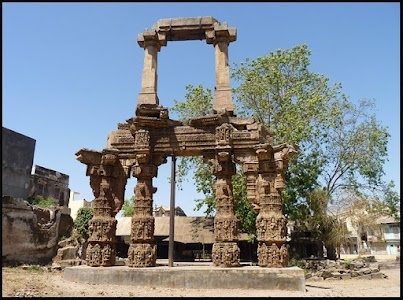



Rudra Mahalaya
What is this place? – I see Rudra Mahalaya as a grand temple complex, now largely in ruins, that once stood as a significant architectural and religious marvel in Siddhpur. It's a testament to the rich history and craftsmanship of the Solanki era in Gujarat.
Why people come here – People typically visit Rudra Mahalaya to explore ancient ruins, appreciate its historical significance, and admire the remnants of its intricate architecture. It's a place for those interested in archaeology and the cultural heritage of India.
What to expect – You can expect a serene and reflective atmosphere amidst historical ruins. The site is generally not crowded, allowing for a peaceful exploration. It suits history enthusiasts, photographers, and anyone looking for a quiet historical experience.
Historical / Monuments / Museums
Historical background – Rudra Mahalaya was originally a magnificent Shiva temple complex, believed to have been constructed by the Solanki king Mularaja in the 10th century and later expanded by Siddharaja Jayasimha in the 12th century. It was unfortunately destroyed and converted into a mosque during the reign of Alauddin Khalji. The remaining structures offer a glimpse into its former grandeur.Key highlights – Look out for the ornately carved pillars, the remnants of the grand entrance, and the intricate sculptures that still adorn some parts of the ruins. The surviving portions of the temple showcase the architectural brilliance of the Solanki dynasty.
Best time to visit – The cooler months from October to March are generally the best time to visit Rudra Mahalaya, as the weather is more pleasant for exploring the outdoor ruins. Early mornings or late afternoons are ideal to avoid the midday sun.
How much time to spend – I recommend spending around 1 to 2 hours to comfortably explore the site, appreciate the architecture, and take photographs.
Good to know – The site is managed by the Archaeological Survey of India (ASI). While much of the original structure is gone, the remaining parts are still quite impressive and offer a vivid imagination of its past glory. You might find some local guides who can share more about its history.
