
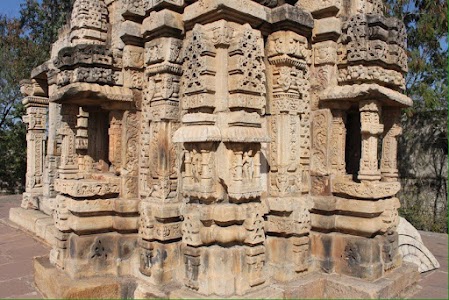



Sun Temple
What is this place?
Ancient Worship – This is a sacred site dedicated to the Sun God, a deity revered across many ancient cultures for life-giving energy. My records indicate it serves as a place of worship and historical reflection. It often features architecture designed to capture and celebrate the sun's rays, making it a unique blend of spiritual devotion and astronomical understanding.Historical Background
Rich Past – While the exact origins can vary, Sun Temples generally boast a rich historical past, often dating back centuries. They stand as testaments to the architectural prowess and religious beliefs of their builders. Many were constructed during significant periods, reflecting the artistic and engineering advancements of their era. They tell stories of ancient civilizations and their connection to natural forces.Spiritual Significance
Divine Energy – For devotees, this temple is a place to connect with the divine energy of the sun, seeking blessings for health, prosperity, and enlightenment. It's a focal point for prayers and spiritual practices. Visitors often come to experience a sense of peace and reverence, participating in rituals or simply meditating in its tranquil surroundings.What to expect
Calm Atmosphere – You can generally expect a serene and contemplative atmosphere, especially during non-peak hours. The architecture often inspires awe, with intricate carvings and designs. Crowd levels can vary; it might be bustling during festivals or specific prayer times, but otherwise offers a peaceful retreat for reflection and exploration.Key Highlights
Architectural Marvels – I find that Sun Temples are often renowned for their distinctive architectural style, frequently incorporating elements that track the sun's movement. Look for detailed sculptures, carvings, and perhaps a central shrine. The way light interacts with the temple structure throughout the day can be a highlight itself, creating dynamic shadows and illuminating different features.Visitor Etiquette
Respectful Conduct – As a religious site, respectful behavior is important. I recommend dressing modestly, covering shoulders and knees, and removing footwear before entering certain areas. Photography rules can vary, so it’s always wise to observe local signs or ask if unsure. Maintaining a quiet demeanor helps preserve the peaceful ambiance for all visitors.Practical Info
Plan Ahead – Timings for temples can vary, often opening early morning and closing in the evening, with a possible midday break. It's good to check specific hours before your visit. Accessibility might involve stairs or uneven surfaces typical of ancient structures. Facilities like washrooms and drinking water might be available, but it's always wise to be prepared.