
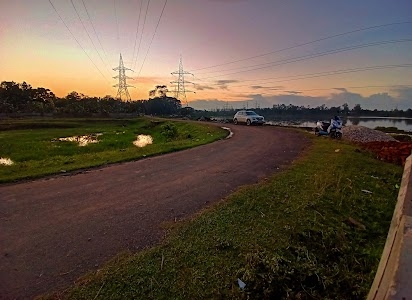



Urpad Bill, a significant natural wetland in Assam, India.
What is this place?
Natural Wetland – Urpad Bill is a significant natural wetland located in the Goalpara district of Assam, India. It's one of the largest and oldest natural lakes in the lower Assam region, characterized by its expansive water body and surrounding marshy areas.Why people come here
Nature's Serenity – Visitors are drawn to Urpad Bill primarily for its tranquil natural beauty and its rich biodiversity. It serves as a vital habitat for various aquatic species and is particularly renowned as a haven for birdwatchers and nature photographers.What to expect
Peaceful Exploration – Here, you can expect a serene and relatively untouched natural environment. The atmosphere is generally calm, making it ideal for those seeking a quiet escape into nature. Crowd levels are typically moderate, often consisting of nature enthusiasts and local visitors.What to do here
Birdwatching & Photography – This is a prime spot for birdwatching, especially during the migratory season, where you can observe a variety of resident and migratory birds. Nature photography is another popular activity, capturing the diverse flora and fauna, as well as the scenic landscapes. Some visitors also enjoy peaceful nature walks along its banks.Best time to go
Winter Months – The best time to visit Urpad Bill is generally during the winter months, from October to March. This period offers pleasant weather conditions and is when the bill is teeming with migratory bird species, enhancing the birdwatching experience.Accessibility and effort level
Moderate Access – Urpad Bill is generally accessible by road, though the final approach might involve navigating local routes. The effort level for exploring the area is typically easy to moderate, suitable for most visitors who enjoy walking and observing nature.Good to know
Biodiversity Hotspot – Urpad Bill is recognized as an Important Bird Area (IBA), highlighting its ecological significance. It plays a crucial role in maintaining regional biodiversity and is a key site for conservation efforts.