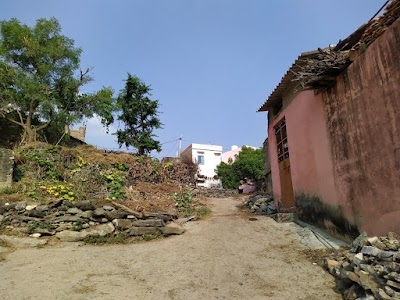
Historic Water Body – Jodha Ka Talab is a historic pond or reservoir located in Rajasthan, India. It was likely constructed for water conservation and as a scenic spot, reflecting traditional Rajput architecture and water management techniques.
Why people come here
Photography, History, Serenity – People typically visit Jodha Ka Talab for its historical significance, the picturesque views it offers, and to experience a sense of tranquility away from bustling areas. It's a popular spot for photography enthusiasts.
What to expect
Calm, Scenic, Reflective – Here, you can expect a calm and scenic environment. The atmosphere is generally peaceful, making it suitable for those looking for a quiet retreat or a historical exploration. It's often less crowded than major tourist attractions.
Best time to go
Cooler Months, Mornings/Evenings – The best time to visit is generally during the cooler months, from October to March. Mornings and late afternoons are ideal for enjoying the views and pleasant weather.
Historical background
Ancient Construction – While specific detailed records can be scarce, Jodha Ka Talab is believed to have been built centuries ago, possibly during the reign of the Rathore dynasty in Marwar. These talabs (ponds) were crucial for water supply and often served as royal recreational areas.
Key highlights
Architecture, Water Views, Local Life – The key highlights include the traditional architecture surrounding the talab, the reflective waters, and the opportunity to observe local life around a historical water source. The steps and surrounding structures often provide interesting photographic compositions.
How much time to spend
Short Visit – I would recommend spending about 30 minutes to an hour here. It's enough time to appreciate the views, take some photographs, and soak in the peaceful ambiance.
Good to know
Local Significance – This talab holds local significance not just as a historical site but also sometimes as a community gathering point or for religious rituals, depending on its specific location and local customs.