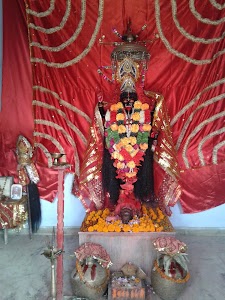
Temple – This is a revered Hindu temple dedicated to Goddess Kali, a powerful deity in the Hindu pantheon. Kali Baris, like this one, often serve as significant spiritual and cultural centers, particularly for communities with Bengali roots.
Why people come here
Worship – People primarily visit Gaya Kali Bari for worship, to offer prayers, and to seek blessings from Goddess Kali. It's a place for performing religious rituals and participating in various spiritual ceremonies. Many also come for a sense of peace and community.
What to expect
Devotional – When you visit, you can expect a serene and devotional atmosphere. You'll likely see devotees engaged in prayer, priests performing aarti (a ritual of worship with lamps), and a general sense of calm. The environment is typically quiet, though it can become lively during festivals.
Spiritual or cultural significance
Divine Mother – Gaya Kali Bari holds deep spiritual importance as a place of worship for Goddess Kali, the Divine Mother, who symbolizes time, change, power, and destruction. Culturally, it's a focal point for the local community, often preserving and celebrating traditions, especially those associated with Bengali heritage.
Visitor etiquette
Respect – As a place of worship, respectful conduct is expected. I recommend dressing modestly, covering your shoulders and knees. It's customary to remove your footwear before entering the main temple area. Maintaining a quiet demeanor and refraining from loud conversations helps preserve the sanctity of the space.
Practical info
Timings – Temple timings generally follow a schedule of morning and evening worship, including aarti. The duration of your visit will vary, but typically allows for 30 minutes to an hour for darshan and quiet reflection. Accessibility usually involves navigating a few steps to the main shrine.
Good to know
Festivals – This temple becomes particularly vibrant during major Hindu festivals, especially Kali Puja and Durga Puja. These are times when the temple is beautifully decorated, and special prayers and cultural events are held, drawing larger crowds and offering a unique experience.