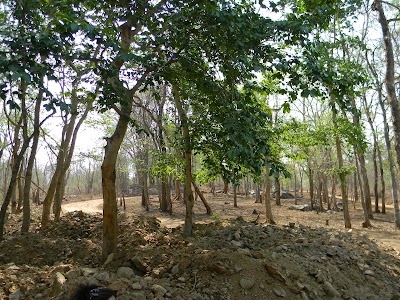
Palamu Tiger Reserve
Tiger Reserve – This is Palamu Tiger Reserve, one of India's earliest tiger reserves and a significant protected area located in the
Jharkhand state. It's a key part of the larger Betla National Park complex, known for its rich biodiversity and efforts in wildlife conservation.
What is this place?
Protected Wilderness – I see this as a vast expanse of tropical dry deciduous forests, hills, and river valleys, primarily established for the conservation of tigers and their ecosystem. It's a critical natural habitat that supports a wide array of wildlife beyond just tigers.
Why people come here
Wildlife & Nature – People typically come here to experience raw wilderness, engage in wildlife spotting, and enjoy nature photography. It's a popular destination for those interested in seeing tigers, elephants, leopards, and various deer species in their natural environment, as well as for birdwatching.
What to expect
Untamed Beauty – You can expect a serene and relatively untouched natural environment. The atmosphere is generally quiet, punctuated by the sounds of the forest. While tiger sightings are never guaranteed, the thrill of being in a tiger habitat is palpable. The experience is best suited for nature enthusiasts, wildlife photographers, and those seeking an escape into the wild.
Best time to go
Winter Months – I find that the cooler, drier months from October to March are generally considered the best time to visit. The weather is more pleasant for safaris and exploration, and visibility for wildlife spotting tends to be better as vegetation is less dense.
Practical info
Forest Rules – Access to the core areas usually requires permits and guides, which can be arranged through the forest department or authorized tour operators. Entry gates and timings vary, so it's always good to check beforehand. Following forest rules and maintaining a safe distance from wildlife is crucial for your safety and the animals' well-being.
What to do here
- Safari Drives – I recommend taking a jeep safari through the designated routes. This is the primary way to explore the reserve and increase your chances of spotting wildlife.
- Birdwatching – The reserve is home to over 140 species of birds, making it a great spot for bird enthusiasts.
- Nature Walks – With an authorized guide, you can embark on nature walks in certain buffer zones to appreciate the flora and smaller fauna.
Safety and preparedness
Be Prepared – I advise visitors to wear neutral-colored clothing, carry sufficient water, and bring binoculars and cameras. Always stay inside the vehicle during safaris and follow your guide's instructions. The terrain can be uneven, and weather conditions can change, so be prepared for a wilderness experience.
Accessibility and effort level
Moderate Effort – Reaching the reserve typically involves driving on paved and unpaved roads. Within the reserve, jeep safaris are generally accessible to most, though the rides can be bumpy. Exploring on foot, if permitted, requires a moderate level of physical fitness.