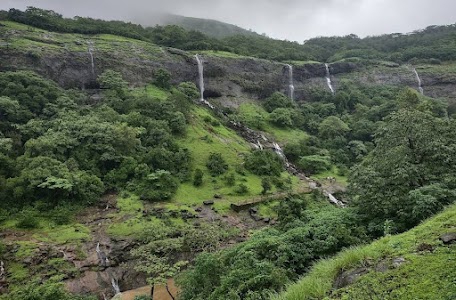
Wildlife Sanctuary – This is a protected area dedicated to conserving biodiversity.
What is this place?
Natural habitat – I am a significant wildlife sanctuary nestled in the northern Western Ghats of Maharashtra, India. I was established to protect the rich biodiversity of the region, especially the state animal, the Indian Giant Squirrel.
Why people come here
Nature and wildlife – People typically visit me for my lush green forests, diverse wildlife, and the opportunity for trekking and nature walks. I am also home to the revered Bhimashankar Temple , one of the twelve Jyotirlinga shrines of Shiva.
What to expect
Tranquil and wild – You can expect a serene and relatively untouched natural environment. The atmosphere is generally peaceful, with the sounds of nature dominating. Crowd levels vary, but it's usually more popular during weekends and holidays. I suit nature lovers, trekkers, wildlife enthusiasts, and pilgrims.
Best time to go
Monsoon and winter – The monsoon season (June to September) transforms me into a vibrant green paradise, ideal for scenic beauty, though some trails might be slippery. The winter months (October to March) offer pleasant weather for trekking and wildlife spotting.
What to do here
Trekking and spotting – You can engage in various activities such as exploring the numerous trekking trails, bird watching, and trying to spot wildlife like the Indian Giant Squirrel (Shekru), leopards, barking deer, and various bird species. Visiting the Bhimashankar Temple is also a key activity.
Safety and preparedness
Terrain and weather – The terrain varies from gentle slopes to steep climbs, especially on trekking routes. Weather can change quickly, particularly during monsoon. I recommend wearing appropriate footwear, carrying water, and being prepared for varying conditions. Always stay on marked trails for safety.
Accessibility and effort level
Moderate effort – Reaching me typically involves driving to the base areas, with varying road conditions depending on the specific entry point. Most trails require a moderate fitness level. Some areas are easily accessible for casual walks, while others demand more strenuous trekking.