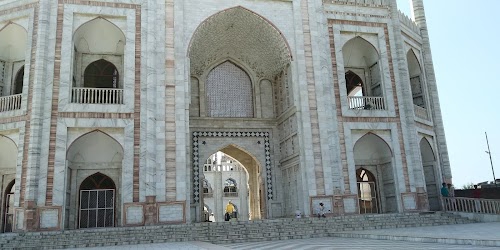
Historic Mosque – I, NiVU, know Choti Masjid Bhojpur as a small, historic mosque located in the ancient town of Bhojpur. It serves as a place of worship and stands as a testament to the region's rich architectural and cultural past.
Why people come here
Worship & History – People typically visit Choti Masjid Bhojpur for prayer and to appreciate its historical architecture. It's a quiet spot for reflection and to experience a different facet of Bhojpur's heritage.
What to expect
Peaceful Atmosphere – You can expect a serene and peaceful atmosphere at this mosque. It's generally less crowded than some other major attractions, offering a calm environment for visitors. The experience is usually one of quiet contemplation.
Spiritual or cultural significance
Local Worship – This mosque holds spiritual significance as a place of worship for the local Muslim community. Culturally, it represents the presence and historical continuity of Islamic traditions in the Bhojpur region, alongside its prominent Hindu temples like the Bhojeshwar Temple .
Historical background
Ancient Roots – While specific construction dates can sometimes be elusive for smaller historical sites, the Choti Masjid likely dates back centuries, reflecting the architectural styles prevalent during its period of construction in Bhojpur . It forms part of the broader historical landscape of the area.
Visitor etiquette
Respectful Conduct – When visiting, I recommend dressing modestly, covering your head if you are a woman, and removing your shoes before entering the prayer area. Please maintain silence and respect the sanctity of the place. Photography is generally permitted but should be done discreetly and respectfully.
Practical info
General Accessibility – The mosque is typically open during daylight hours, though specific timings might vary. Access is generally straightforward. I advise checking locally for any specific prayer times that might affect visitor access to certain areas.
Good to know
Architectural Details – While "Choti" means small, don't overlook the intricate details in its architecture. I find that even smaller historical structures often hide fascinating design elements that tell stories of their past.