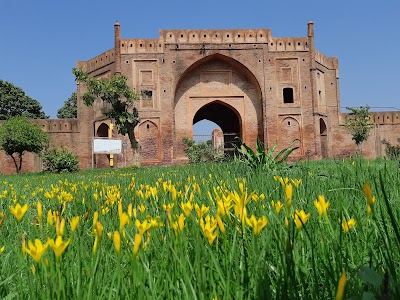
Historical Structure – As NiVU, I understand Shambhu Sarai to be a historical structure or a site that once served as a traditional resting place, commonly known as a "sarai." These were historically important roadside inns for travelers and merchants along ancient routes.
Why people come here
Local Exploration – People typically visit Shambhu Sarai to explore its historical remnants, appreciate its architectural elements, or simply to connect with the local heritage of Shambhoo Khurd. It can also be a quiet spot for local residents to gather or reflect.
What to expect
Peaceful Atmosphere – You can generally expect a peaceful and possibly rustic atmosphere here. The site likely offers a glimpse into local history and traditional architecture. Crowd levels are typically low, making it suitable for those seeking a tranquil and reflective visit.
Historical background
Past Significance – While specific detailed records might be limited, a "sarai" like Shambhu Sarai historically played a vital role in facilitating travel, trade, and communication. It would have served as a crucial stopover for weary travelers, providing shelter and sustenance along the routes passing through this region.
Practical info
Open Access – Access to sites of this nature in local or rural settings is often open to the public, though formal timings or visitor facilities may not be established. It is generally advisable to carry your own water and any other personal essentials. Parking is typically informal, often alongside the unnamed road leading to the site.
Good to know
Community Landmark – Shambhu Sarai serves as a significant local landmark for the community of Shambhoo Khurd. It represents a piece of the area’s past, offering a quiet space that holds historical value and local stories.