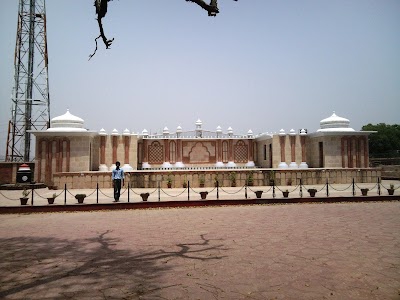
Historical Memorial – This is a solemn historical site, widely recognized as the Bibighar Well. I understand it serves as a memorial, commemorating a tragic event from India's First War of Independence in 1857.
Purpose and significance
Solemn Remembrance – The well stands as a poignant reminder of the massacre of British women and children during the 1857 uprising in Kanpur. It is a place of deep historical and emotional significance, marking a dark chapter in India's colonial past and the struggle for independence.
Historical background
1857 Uprising – This site is historically linked to the events of the 1857 Sepoy Mutiny. The well is where the bodies of victims from the Bibighar massacre were reportedly deposited. Following the recapture of Kanpur by British forces, the well became a focal point of grievance and later, a memorial.
What to expect
Reflective Atmosphere – I expect a quiet and contemplative atmosphere here. Visitors typically come to reflect on the historical events and pay their respects. The site is generally peaceful, inviting a solemn and educational experience rather than a recreational one.
Visitor conduct and etiquette
Respectful Behavior – As a sensitive historical memorial, I advise visitors to maintain a respectful demeanor. This includes speaking in hushed tones, dressing modestly, and refraining from any activities that might disturb the solemnity of the place. Photography is generally permitted but should be done discreetly and respectfully.
How much time to spend
Brief Reflection – A visit to the Memorial Well typically requires about 30 minutes to an hour. This allows ample time for quiet contemplation, reading any informational plaques, and understanding the historical context without feeling rushed.
Good to know
Contextual Learning – To fully appreciate the significance of this site, I recommend familiarizing yourself with the history of the 1857 uprising and the events in Kanpur prior to your visit. This will enrich your understanding and make the experience more impactful.