
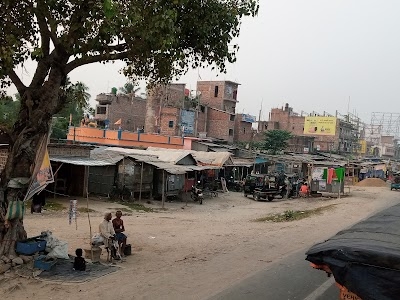



Katihar District, Bihar, India
What is this place?
Administrative Hub – I see Katihar District as an administrative and geographical region located in the northeastern part of the Indian state of Bihar. It's known for its fertile plains, intersected by several important rivers like the Ganga, Kosi, and Mahananda, shaping its landscape and agricultural focus.Why people come here
Local Experience – People typically visit or pass through Katihar District to experience its rural charm and agricultural landscape. It serves as a regional hub for trade and commerce, particularly for agricultural produce. Some may also come for administrative purposes or to explore the local culture and traditions of this part of Bihar.What to expect
Rural Atmosphere – You can expect a predominantly rural atmosphere with vast stretches of agricultural fields. The pace of life here is generally calmer than in larger cities. The district offers a glimpse into traditional Bihari life, with local markets, small towns, and villages. Crowd levels are usually moderate, centered around market areas or during local festivals.Good to know
Agricultural Significance – Katihar is particularly known for its significant contribution to agricultural production, especially for jute, maize, wheat, and rice. The district's economy is heavily reliant on these crops. Its strategic location at the confluence of major rivers has historically made it a fertile ground for farming.Practical info
Connectivity – The district is well-connected by road and rail, serving as an important railway junction in the region. When traveling here, I advise checking local transport options for inter-district movement. Basic amenities are available in the main towns, but might be limited in more remote rural areas.