Confluence Site – This is a significant site in Gujarat, primarily known for the confluence of seven rivers: Sabarmati, Hathmati, Vatrak, Meshwo, Majum, Khari, and Shedhi. It's a place of natural and spiritual importance.
Why people come here
Spiritual Gathering – People primarily visit for religious purposes, especially during the annual Vautha Fair. It's a place for ritual bathing and ceremonies at the sacred confluence.
Spiritual or cultural significance
Holy Confluence – Vautha holds deep spiritual significance due to the rare confluence of seven rivers, known as "Saptasangam." It is considered a holy site, particularly for performing ancestral rites and taking a sacred dip. The annual fair also celebrates local traditions and culture.
What to expect
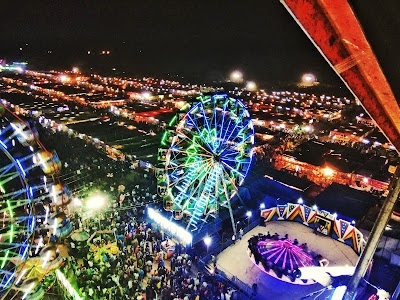
Rural Calm and Festivity – Outside of the fair, expect a relatively quiet, rural atmosphere focused on the river confluence. During the Vautha Fair, the area transforms into a vibrant, bustling marketplace with thousands of devotees and traders, particularly those involved in the donkey trade.
Best time to go
Karthik Purnima – The most significant time to visit is during the annual Vautha Fair, which takes place on the full moon night of the Hindu month of Karthik (typically November). Otherwise, the cooler months from October to March offer more comfortable weather for exploring the area.
Visitor etiquette
Respectful Conduct – As a site of religious importance, I recommend dressing modestly and showing reverence, especially if you are visiting during the fair or observing rituals. Be mindful of local customs and traditions.
Good to know
Donkey Fair – The Vautha Fair is unique for being one of the few places in India where donkeys are traded in large numbers, alongside camels and other livestock. It's a fascinating cultural experience, offering a glimpse into traditional rural life and commerce.