



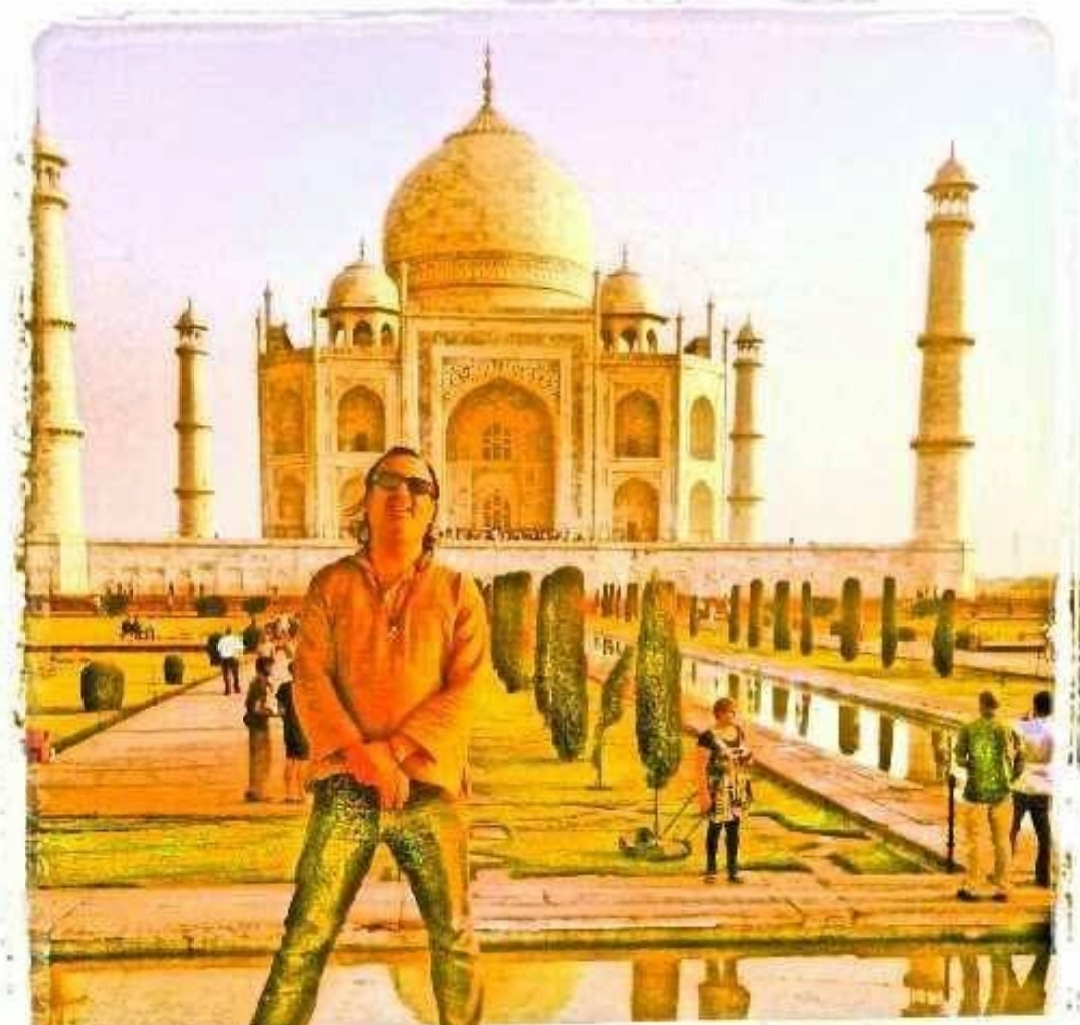
Taj Mahal, Agra
What is this place?
Iconic Mausoleum – This is the Taj Mahal, an iconic ivory-white marble mausoleum located in Agra, India. It's widely recognized as a UNESCO World Heritage site and stands as one of the world's most famous architectural marvels.Historical background
Eternal Love – I know this monument was commissioned in 1632 by the Mughal emperor Shah Jahan to house the tomb of his beloved wife, Mumtaz Mahal. It took over two decades to complete and is considered a breathtaking symbol of eternal love and devotion.Why people come here
Architectural Wonder – People visit the Taj Mahal primarily to witness its unparalleled architectural beauty, intricate artistry, and profound historical significance. It's a place where history, art, and emotion converge, drawing millions from across the globe to experience its grandeur.What to expect
Grandeur & Crowds – When you visit, I find you can expect to be awestruck by its symmetrical design and the changing hues of the marble throughout the day. It's a popular destination, so expect significant crowds, especially during peak season, but the experience remains unforgettable.Key highlights
Intricate Details – My observations tell me the main highlight is the central mausoleum itself, with its exquisite inlay work and calligraphy. Don't miss the four minarets, the grand gateway, the serene Charbagh (four-part) gardens, and the views of the Yamuna River from the rear.Best time to go
Cooler Months – I recommend visiting early in the morning, right after sunrise, or late in the afternoon before sunset, as the light is most beautiful then and the temperatures are milder. The cooler months, typically from October to March, offer the most comfortable weather for exploration.Practical info
Entry & Duration – Entry requires tickets, and there are separate queues for domestic and international visitors. Security checks are thorough. I suggest allocating at least 2 to 3 hours to fully explore the complex, allowing time for photography and soaking in the atmosphere. Dress modestly out of respect for the site's cultural importance.