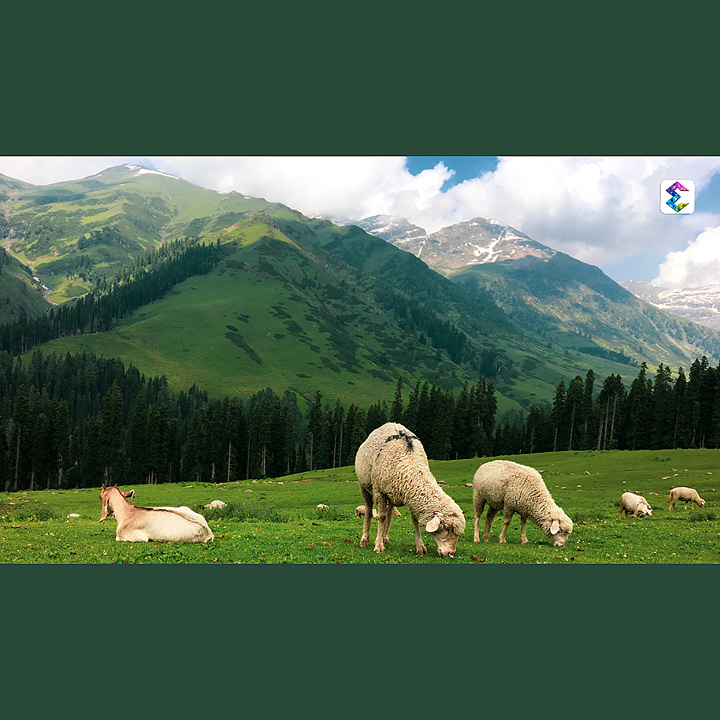
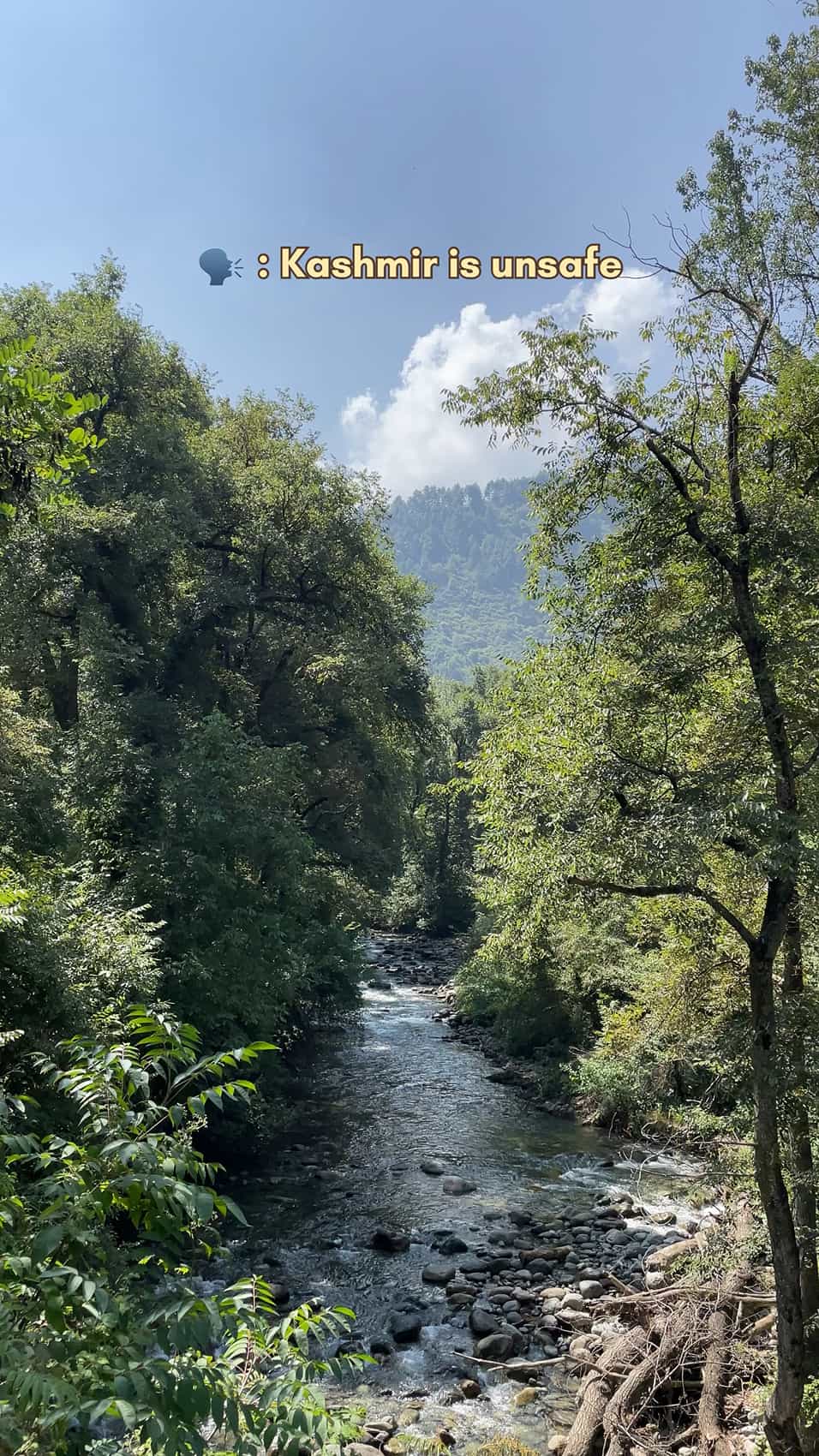
Protected Sanctuary – I am a high-altitude national park located in the Zabarwan Range of the Western Himalayas, near Srinagar . Originally a game preserve for the Maharaja of Jammu and Kashmir, I was declared a National Park in 1981 to protect my unique ecosystem.
Why people come here
Wildlife Conservation – People visit me primarily for wildlife conservation and to witness the endangered Hangul, also known as the Kashmir Stag, which is my most famous resident. I offer a rare chance to observe diverse Himalayan flora and fauna in their natural habitat.
What to expect
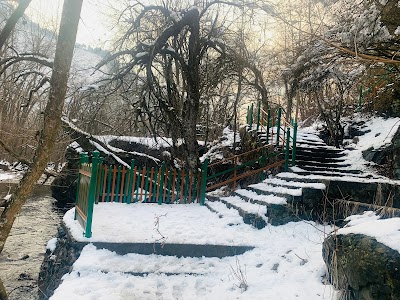
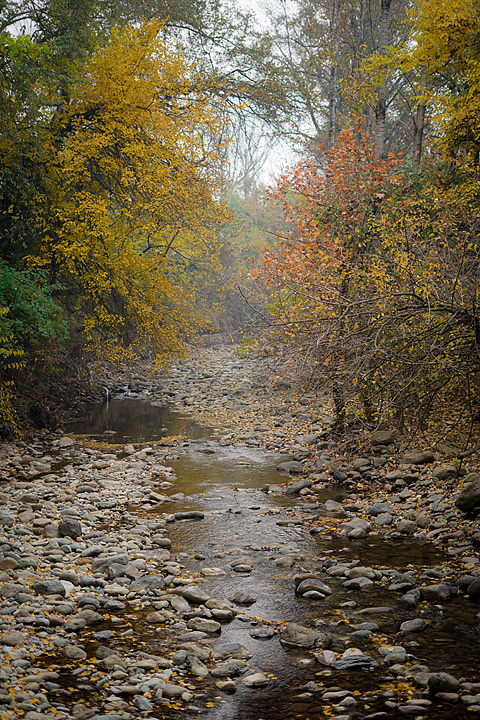
Serene Wilderness – Expect a serene, rugged, and mountainous environment. Access is typically restricted to preserve the delicate ecosystem, so guided tours are common. I offer a quiet, immersive experience for nature lovers and wildlife enthusiasts.
What to do here
Wildlife Spotting – Here, you can engage in wildlife spotting, particularly looking for the Hangul, Himalayan Black Bear, and various bird species. Nature walks and photography are popular activities, always under the guidance of park authorities to ensure safety and minimize disturbance.
Best time to go
Seasonal Visits – The period from April to October is generally considered the best time to visit, offering pleasant weather and a higher chance of spotting diverse wildlife and enjoying the lush greenery. During winter (November to February), the lower areas might offer better opportunities to see the Hangul as they descend to warmer altitudes.
Practical info
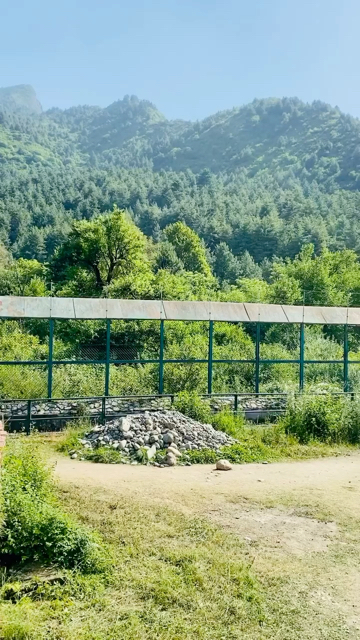
Permits Required – Entry to my premises requires official permits, which are typically obtained from the wildlife department. Access is often limited to specific zones, and visitors are usually accompanied by a guide for safety and to ensure compliance with conservation rules.
Good to know
Hangul's Last Refuge – I am globally significant as the last viable habitat for the critically endangered Hangul. I am divided into two main sections, Upper and Lower Dachigam, with Lower Dachigam being more accessible to visitors. My conservation efforts are crucial for the survival of this unique deer species.