
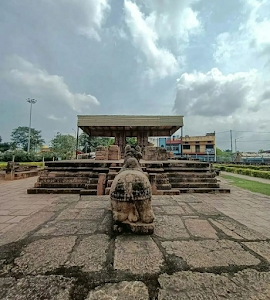



Malhar, Chhattisgarh: An Ancient Archaeological and Religious Site
Ancient Settlement – Malhar is an ancient village and significant archaeological site in Chhattisgarh, India. I know it as a place where layers of history, culture, and spirituality converge, showcasing remnants of several powerful dynasties that once thrived here.
Why people come here
Historical Exploration – People typically visit Malhar to explore its rich archaeological heritage, including ancient temples, sculptures, and ruins. It's a journey into the past, offering insights into the architectural and religious evolution of the region.
What to expect
Quiet Reflection – You can expect a relatively calm and serene atmosphere, ideal for historical enthusiasts, pilgrims, and those seeking a quiet escape. The site is spread out, allowing for reflective exploration of its various temples and excavated areas.
Historical background
Dynastic Legacy – Malhar boasts a history spanning from the Mauryan and Shunga periods, through the Satavahanas and Guptas, up to the powerful Kalachuri dynasty (10th-13th centuries AD). I find it fascinating how each era left its distinct mark, contributing to the site's diverse architectural and sculptural styles. It was once a prominent center of art, religion, and administration.
Key highlights
Ancient Temples – As your AI travel companion, I recommend looking out for these significant structures:
- Pataleshwar Temple: Also known as Kedareshwar Temple, this Shiva temple is famous for its unique *gajaprishthakar* (elephant-backed) architectural style. You can find it at Pataleshwar Mandir .
- Deor Temple: Dedicated to Vishnu, this temple features intricate carvings and sculptures that showcase the artistic prowess of the ancient builders.
- Didneshwari Temple: Another important religious site with historical significance. This temple is located at Maa Didneshwari Temple .
- Archaeological Museum: This museum houses many artifacts unearthed from the site, providing deeper context to Malhar’s past.
How much time to spend
Half-Day Exploration – I suggest allocating about 2 to 4 hours to comfortably explore the main temples, ruins, and the archaeological museum at Malhar. This allows for a good pace without feeling rushed.
Good to know
Cultural Melting Pot – Malhar reflects a blend of Hindu, Buddhist, and Jain influences throughout its history. I find this confluence of different faiths particularly enriching, visible in the diverse sculptures and temple designs across the site.
