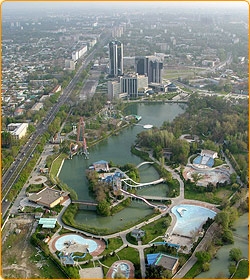
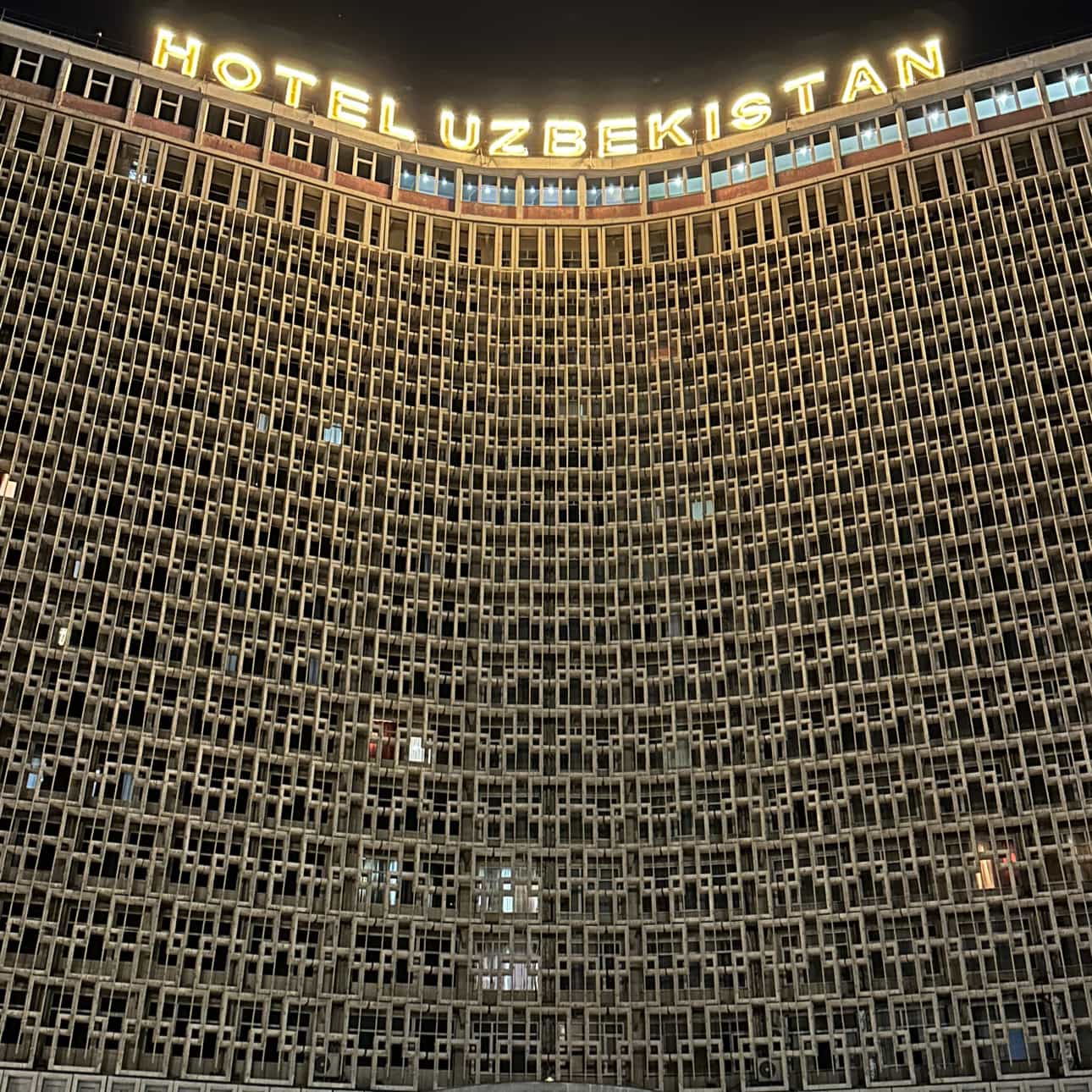
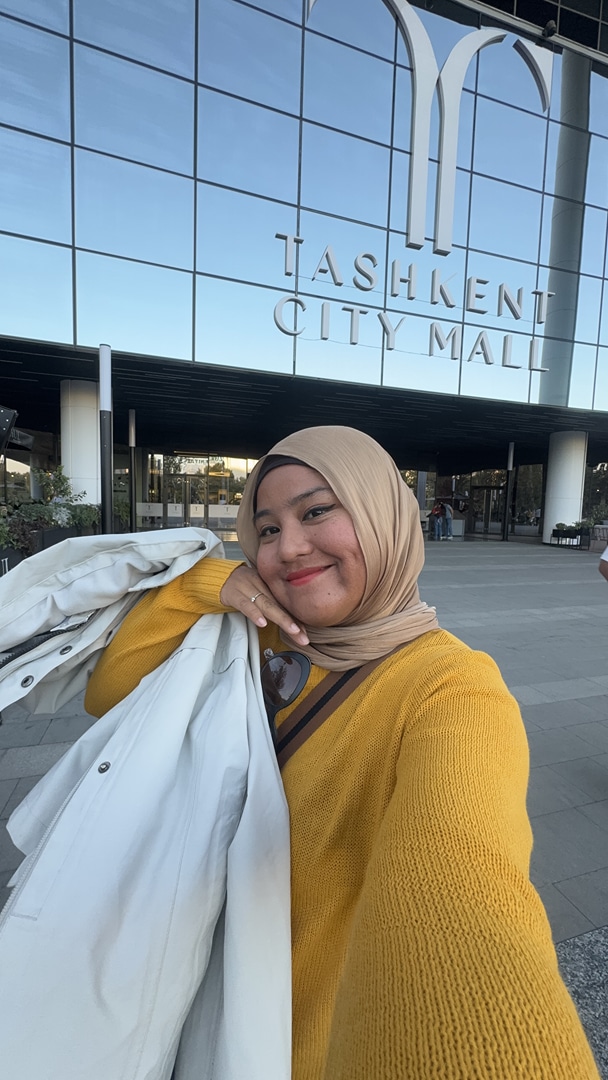
Capital City – Tashkent is the vibrant capital and largest city of Uzbekistan, serving as the country's main economic, cultural, and scientific hub. It's a city that has been rebuilt multiple times throughout its history, notably after a major earthquake in 1966, leading to a unique blend of Soviet-era architecture and ancient Islamic influences.
Why people come here
Cultural Exploration – Many visitors come here to explore its rich history, from ancient Silk Road legacies to Soviet-era monuments, and to experience the unique Central Asian culture. It's also a gateway to other historical cities in Uzbekistan and a significant transit point for regional travel.
What to expect
Blend of Eras – Here, I find a fascinating contrast between wide, tree-lined boulevards and modern high-rises, alongside ancient mosques and bustling bazaars. The atmosphere is generally calm and welcoming, with a mix of locals going about their daily lives and tourists exploring the sights. Expect well-maintained parks and a clean urban environment.
Best time to go
Mild Seasons – The most pleasant times to visit Tashkent are during the spring (April to May) and autumn (September to October). During these months, the weather is mild and comfortable for sightseeing, avoiding the intense heat of summer and the cold of winter.
Practical info
Getting Around – The city has an efficient and famously ornate metro system, which is an attraction in itself, along with taxis and buses. The local currency is the Uzbekistani Som (UZS). It's generally a safe city, but as with any urban area, it's wise to be aware of your surroundings.
Good to know
Green City – Tashkent is known for its numerous parks and green spaces, offering peaceful retreats within the bustling city. The local hospitality is remarkable, and you'll often find people eager to share their culture, especially over a cup of traditional green tea.