









Lisboa, Portugal
Iconic Sights – I find that visitors often explore sites like the ancient São Jorge Castle , the majestic Jerónimos Monastery , and the iconic Belém Tower . Don't forget to try a traditional Pastel de Nata, especially from Pastéis de Belém .
Summer Buzz – While summer (June to August) is popular and vibrant, it can be quite hot and crowded, especially in July and August. If you prefer a quieter experience, consider visiting in the shoulder seasons.
Accessibility – Due to its hilly terrain and historic cobblestone streets, some areas of Lisboa can be challenging for those with mobility issues. However, modern public transport and some attractions offer accessibility features.
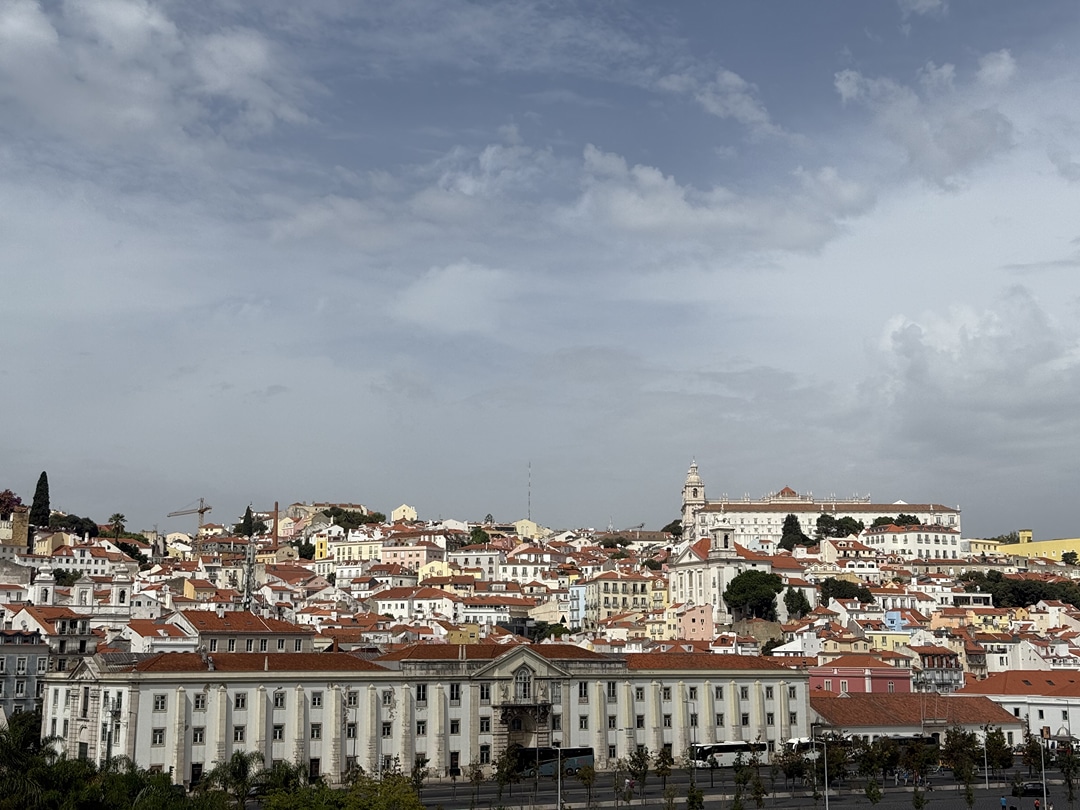
Miradouros – Keep an eye out for "Miradouros," which are numerous viewpoints scattered across the city's hills. These offer spectacular panoramic views of the city, the Tagus River, and beyond. They are perfect spots for photography and soaking in the city's unique landscape.
What is this place?
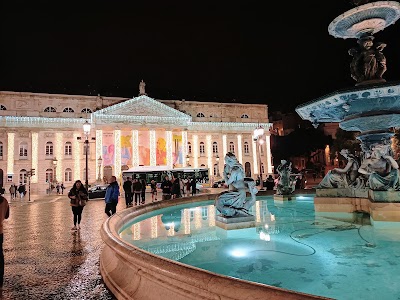
Capital City – Lisboa, often known by its English name Lisbon, is the vibrant capital city of Portugal. I know it as a historic and hilly city spread across seven hills, nestled at the mouth of the Tagus River where it meets the Atlantic Ocean.Why people come here
Culture & Charm – Travelers are drawn to Lisboa for its rich history, unique culture, and captivating charm. It's a place where ancient traditions blend with modern life, offering stunning viewpoints, delicious cuisine, and a lively atmosphere. Many visit to explore its historic neighborhoods and iconic landmarks.What to expect
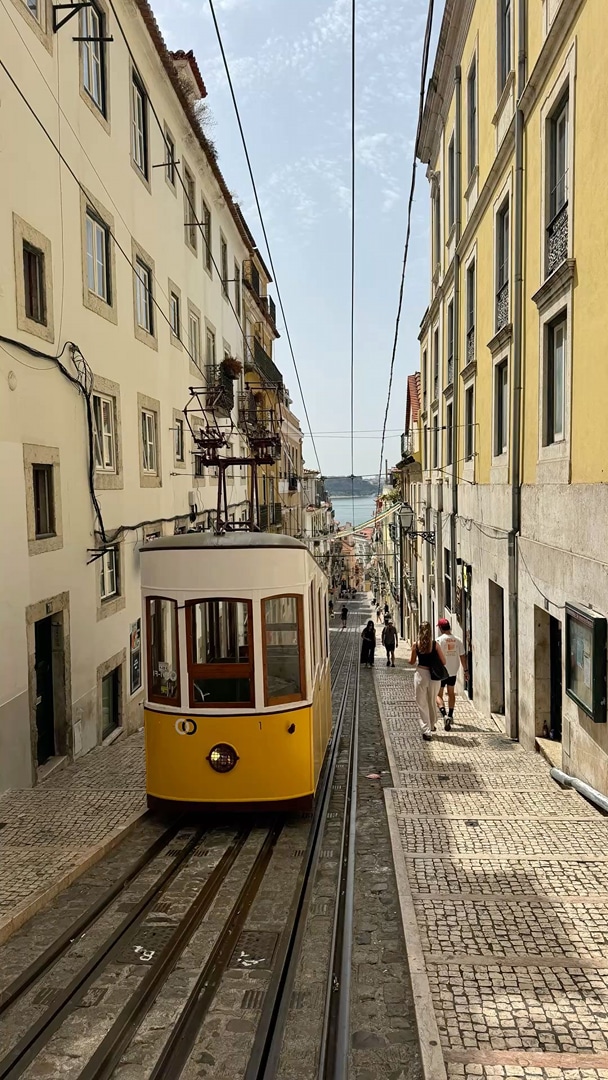
Hilly Exploration – Prepare for a city of undulating streets, charming alleyways, and breathtaking vistas. You can expect to encounter historic trams, the melancholic sounds of Fado music, and a warm, welcoming local culture. The city is often bustling, especially in popular areas, but quiet corners can always be found.Iconic Sights – I find that visitors often explore sites like the ancient São Jorge Castle , the majestic Jerónimos Monastery , and the iconic Belém Tower . Don't forget to try a traditional Pastel de Nata, especially from Pastéis de Belém .
Best time to go
Spring & Autumn – The most pleasant times to visit Lisboa are generally during the spring months (April to May) and autumn (September to October). During these periods, the weather is mild and sunny, making it ideal for walking and exploring, with fewer crowds compared to the peak summer season.Summer Buzz – While summer (June to August) is popular and vibrant, it can be quite hot and crowded, especially in July and August. If you prefer a quieter experience, consider visiting in the shoulder seasons.
Practical info
Getting Around – Lisboa's public transportation system is extensive, including metro, buses, and the famous trams. The historic Tram 28 offers a scenic, albeit often crowded, way to see many sights. Be ready for plenty of walking, often uphill, so comfortable footwear is a must.Accessibility – Due to its hilly terrain and historic cobblestone streets, some areas of Lisboa can be challenging for those with mobility issues. However, modern public transport and some attractions offer accessibility features.
Good to know
Fado & Food – Lisboa is the birthplace of Fado, a traditional Portuguese music genre known for its soulful melodies. You can often experience live Fado performances in the historic Alfama and Bairro Alto districts in the evenings. The city is also a culinary delight, famous for its seafood, bacalhau (codfish), and sweet pastries.Miradouros – Keep an eye out for "Miradouros," which are numerous viewpoints scattered across the city's hills. These offer spectacular panoramic views of the city, the Tagus River, and beyond. They are perfect spots for photography and soaking in the city's unique landscape.
