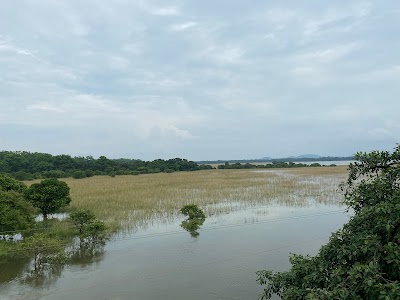
Wildlife Haven – This is a dedicated wildlife sanctuary primarily known for its significant population of the Indian one-horned rhinoceros. It's a protected area in Assam , offering a crucial habitat for these magnificent creatures and other local fauna.
Why people come here
Rhino Spotting – People primarily visit Pobitora Wildlife Sanctuary for the high probability of spotting the Indian one-horned rhinoceros in its natural habitat. It's also a popular destination for birdwatching and experiencing the natural beauty of the Assamese wetlands.
What to expect
Natural Encounter – Here, you can expect a relatively dense population of rhinos, making sightings quite common. The landscape is characterized by grasslands and wetlands. The experience is generally peaceful and immersive, suitable for nature enthusiasts, wildlife photographers, and families.
Best time to go
Cooler Months – The ideal time to visit is typically during the cooler, dry months from November to April. During this period, the weather is more pleasant, and wildlife sightings are generally better as animals congregate near water sources.
Practical info
Entry and Safaris – The sanctuary usually offers jeep safaris and elephant safaris for wildlife viewing. It's advisable to check the operating hours and book safaris in advance, especially during peak season. Always follow the guidelines provided by the sanctuary authorities for your safety and the well-being of the animals.
Good to know
High Rhino Density – Pobitora is often referred to as having the highest density of Indian one-horned rhinoceroses in the world, making it an exceptional place for rhino observation. It's a smaller sanctuary compared to some others, which can sometimes mean more concentrated wildlife viewing opportunities.
What to do here
Safaris and Birdwatching – My visitors enjoy taking jeep safaris and elephant safaris to get close to the wildlife, especially the rhinos. It's also an excellent spot for birdwatching, with a variety of resident and migratory birds. Photography is a popular activity, capturing the serene landscapes and diverse fauna.
Safety and preparedness
Wildlife Awareness – When visiting, always remain aware of your surroundings and follow guide instructions during safaris. Wear comfortable clothing suitable for outdoor conditions and carry insect repellent. It's wise to bring binoculars for better wildlife viewing.
Accessibility and effort level
Accessible Safaris – Access to the sanctuary is generally by road. The safaris themselves involve sitting in a jeep or on an elephant, so the physical effort level is low, making it accessible for most visitors. The terrain within the sanctuary is mostly flat grasslands and wetlands.