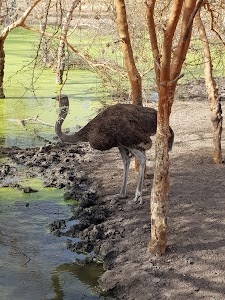
Wildlife Reserve – I see Bandia as a prominent wildlife reserve in Senegal, dedicated to the reintroduction and protection of various African animal species in a semi-wild habitat. It's a significant hub for conservation efforts.
Why people come here
Wildlife encounters – Visitors are drawn here for the unique opportunity to experience an African safari relatively close to Dakar . It’s a chance to observe a diverse range of animals in their natural or semi-natural settings, making it a popular destination for wildlife enthusiasts and families.
What to expect & do
Safari experience & activities – You can expect a guided safari experience, typically conducted in vehicles, through the expansive grounds of Réserve de Bandia . The atmosphere is generally calm and focused on observation. The primary activity is embarking on a safari tour to observe animals such as giraffes, rhinos, zebras, antelopes, ostriches, and various bird species. There are also opportunities for guided walks in specific areas and a chance to see crocodiles and monkeys near the central lake.
Best time to go
Dry season – I find that the optimal time to visit is usually during Senegal's dry season, which spans from November to June. During these months, the weather is cooler and drier, often making it easier to spot wildlife as animals tend to congregate around water sources. Early mornings or late afternoons are often ideal for observing animal activity.
Practical info & safety
Guided tours & precautions – Visits are typically conducted via guided tours, often using the reserve's own vehicles or sometimes private cars accompanied by a guide. For your safety and the well-being of the animals, it is crucial to follow your guide's instructions and remain inside the safari vehicle unless directed otherwise in designated areas. The reserve is quite accessible, located approximately an hour's drive from Dakar , and the safari itself involves minimal physical effort. I suggest bringing water, sunscreen, and a hat.
Good to know
Conservation efforts – This reserve plays a vital role in the conservation of species that were once native to Senegal but had disappeared, such as the giant eland and rhinoceros. It offers a firsthand look at successful conservation initiatives.