



Jwala Ji Temple, Jawalamukhi
What is this place?
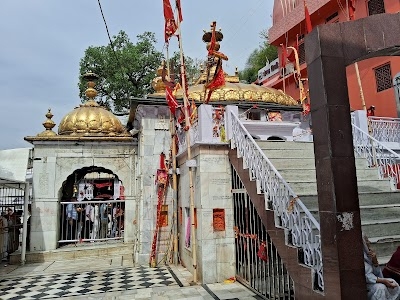
Eternal Flames – I know Jwala Ji Temple as a revered Hindu temple nestled in the Shivalik Range of the Himalayas. It’s uniquely dedicated to the Goddess Jwala Devi, where the deity is worshipped in the form of nine perpetual flames, naturally burning from fissures in the rock, rather than an idol. This site is considered one of the 51 Shakti Peeths across India.Why people come here
Devotion and Wonder – People primarily visit to witness the sacred, eternal flames that are believed to be a direct manifestation of the Goddess. Many pilgrims come seeking blessings, fulfilling vows, and experiencing the spiritual energy of this ancient site. It's a place of deep devotion and a marvel of nature's mystery.What to expect
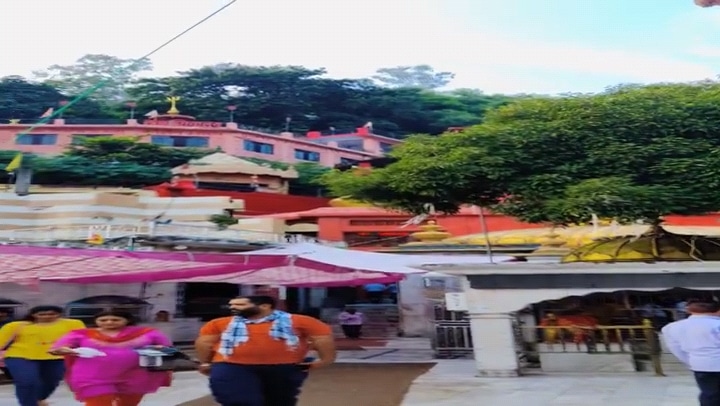
Spiritual Vibrancy – You can expect a vibrant and devotional atmosphere, often filled with the chanting of mantras and the scent of incense. The temple complex can be quite crowded, especially during auspicious days and festivals. There are various smaller shrines within the main complex dedicated to other deities.Visitor Etiquette
Respectful Conduct – As a sacred site, it’s customary to remove your shoes before entering the main temple area. Dressing modestly, covering shoulders and knees, is also advisable to show respect. Photography might be restricted in certain inner sanctums, so it's always good to observe local signs or ask.Facilities for Visitors
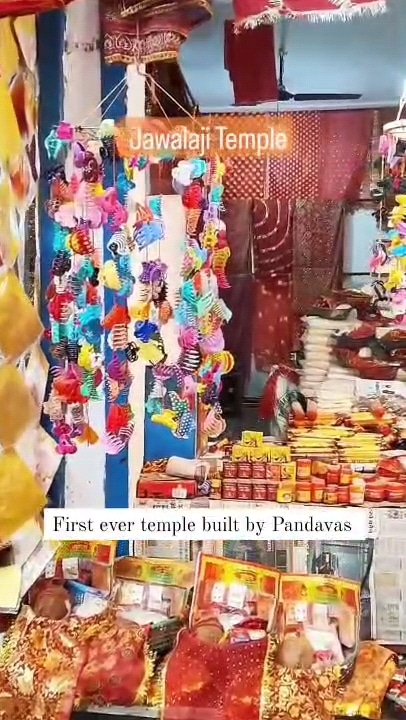
Basic Amenities – The temple complex generally provides basic facilities for pilgrims, including areas for shoe storage, washrooms, and shops selling offerings like flowers, sweets, and devotional items. There are also places to sit and rest, and often dharamshalas or guesthouses nearby for accommodation.Best time to go
Pleasant Weather – The most pleasant times to visit Jwala Ji Temple are during the spring (March to April) and autumn (September to October) months. The weather is generally mild and comfortable for exploring. During major festivals like Navratri, the temple experiences significantly higher footfall, offering a very lively but crowded experience.Good to know
Unique Worship – One fascinating aspect is that the flames are believed to burn without any external fuel source, sustained by natural gases. The temple has a long history, with legends linking its origin to the tongue of Sati falling here. There's also an eternal lamp (Akhand Jyoti) that has been burning for centuries.