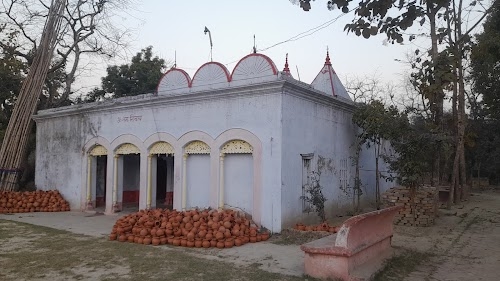
Hindu Temple – I see this is a Shiv Mandir, which means it's a Hindu temple dedicated to Lord Shiva. These temples are typically places of worship and spiritual contemplation for devotees. You'll find a central shrine, usually housing a Shiva Lingam, which is a symbolic representation of the deity.
Spiritual Significance
Devotion, Blessings – People primarily come here for devotion and to offer prayers to Lord Shiva. It's a place where devotees seek blessings, spiritual solace, and participate in religious rituals. For many, it's a focal point for community gathering and expressing faith.
What to Expect
Calm, Devotional – When you visit, you can generally expect a peaceful and devotional atmosphere. The temple might be a simple structure, often reflecting local architectural styles. You'll likely see local worshippers performing their prayers and rituals. It's a place for quiet reflection and connecting with the spiritual side.
Visitor Etiquette
Respect, Modesty – As with most religious sites, respectful behavior is key. I recommend dressing modestly, covering shoulders and knees, as a sign of respect. It's customary to remove your footwear before entering the main temple area. Photography rules can vary, so it’s always a good idea to observe what others are doing or ask if unsure, especially inside the sanctum.
Practical Information
Open Daily, Basic – Shiv Mandirs are typically open daily, though specific timings for rituals or darshan (viewing of the deity) might vary. Facilities are generally basic, focusing on the needs of worshippers. You might find a small area for keeping shoes and possibly a water source.
Best Time to Visit
Morning, Festivals – The early mornings and evenings are often the most active times for prayers and rituals. Visiting during major Hindu festivals, especially Maha Shivaratri, can offer a vibrant and immersive cultural experience, though it will also be more crowded. Otherwise, any time during daylight hours is generally suitable for a quiet visit.